A landmark conviction for online terrorism propaganda in India was secured after a meticulous digital investigation by Karnataka Police, culminating in a 10-year prison sentence for a Bengaluru-based operative. The case centered on Mehdi Masroor Biswas, who used the pseudonym @shamiwitness to become one of the Islamic State's most prominent English-language propagandists from Indian soil.
The Unmasking of @shamiwitness
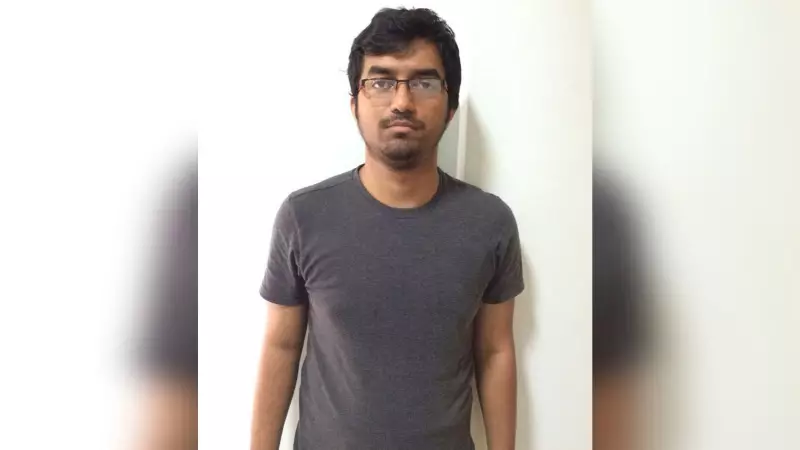
In December 2014, the global hunt for online ISIS supporters reached a residential apartment in Bengaluru's Jalahalli area. Mehdi Masroor Biswas, a 24-year-old executive from West Bengal, was arrested after an investigation by Britain's Channel 4 news exposed his real identity behind the influential Twitter handle @shamiwitness. The channel traced a phone number linked to the account and conducted a telephonic interview where Biswas allegedly acknowledged running the profile, which glorified ISIS terrorists and their actions in Syria.
The arrest on December 13, 2014, came just a day after Biswas hastily deleted his Facebook and Gmail accounts following the Channel 4 expose. While his apprehension was a significant moment, it was merely the beginning of a complex legal battle. Prosecuting him required proving that his extensive online activity, conducted from behind a computer in India, constituted a terrorist act under Indian law.

The Digital Forensic Puzzle
Facing the challenge of linking digital footprints to criminal intent, the Karnataka Police's Internal Security Division and Bengaluru Central Crime Branch launched a massive evidence-gathering operation. They seized his laptop, external hard disk, mobile phones, and pen drives. Investigators, led by officer M K Thammaiah, discovered that Biswas used sophisticated tools like VPN and 'Ghost IP' software to mask his real IP address and 'C Cleaner' to delete incriminating data.
The breakthrough came from correlating vast amounts of digital data. Police obtained IP logs for the @shamiwitness account from Twitter for 2013-2014, which were traced to landline and mobile numbers in Biswas's name. Call records and GPRS data from service providers confirmed internet usage that matched the exact timings of his pro-ISIS tweets. Despite his use of proxy servers from locations like Australia and Greenland to hide his location, the digital trail was undeniable.
The investigation amassed a staggering 1.22 lakh social media posts and 15,446 images linked to ISIS propaganda. This included direct messages where @shamiwitness provided guidance to youths on reaching Syria to join ISIS and shared brutal execution videos. Biswas himself voluntarily identified 48 accounts of ISIS fighters he was in contact with.
The Monumental Chargesheet and Final Verdict
In 2015, the police filed a chargesheet of 36,986 pages, a testament to the sheer volume of digital evidence. It documented how Biswas spent five to six hours daily promoting ISIS, retweeting radical scholars, and even predicting the beheadings of US journalist James Foley and UK aid worker Peter Kassig weeks before they occurred. The chargesheet also highlighted his calls for ISIS support in Kashmir.
After a protracted trial, a special court in Bengaluru convicted Biswas in January 2024. He was sentenced to 10 years of rigorous imprisonment under charges of terrorism and waging war against an Asiatic power under the Unlawful Activities (Prevention) Act. The court, however, acquitted him of the charge of waging war against the Indian government and cyber terrorism.
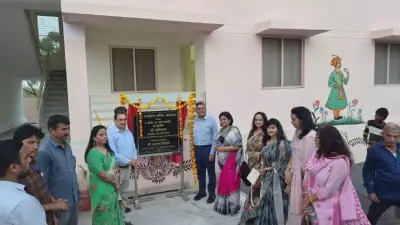
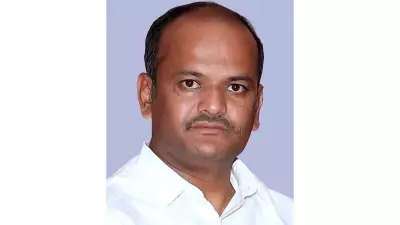
The case set a precedent for prosecuting digital jihad. In recognition of the exemplary investigation, officer M K Thammaiah, now an Additional Superintendent of Police, was selected for the Union Home Minister's Award for Excellence in Investigation in November 2024. The conviction of Mehdi Masroor Biswas stands as a warning that online radicalization and propaganda for banned terror groups carry severe legal consequences in India.