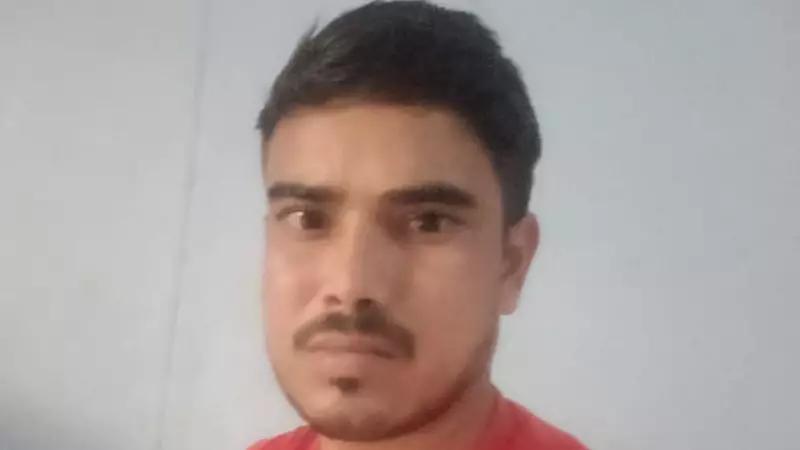
For more than eight months, a young migrant worker from West Bengal has been confined, first in a jail and then in a detention centre for illegal foreigners in Tamil Nadu's Cuddalore district. 25-year-old Awal Sheikh, a mason from Murshidabad, finds himself trapped in a legal nightmare, accused of being a Bangladeshi national despite his family possessing land records dating back to 1929.
A Journey for Work Ends in Arrest
Awal Sheikh left his home in Topidanga village, Murshidabad, in March 2025. He travelled to Chennai seeking work and found employment at a construction site in Cuddalore district. His hopes for a better livelihood were shattered on April 2, 2025, when the Bhuvanagiri police picked him up along with seven others.
The police acted on suspicion that the group was involved in creating fake Aadhaar cards and passports. Following interrogation, Awal was formally booked under the stringent Foreigners Act and sent to judicial custody at the Parangipettai Sub-Jail. From that moment, his life transformed from that of a labourer to a detainee labelled a foreigner.

A Family's Desperate Struggle and Legal Battle
Hundreds of miles away in West Bengal, Awal's family was plunged into despair. His 72-year-old father, Mozammel Haque, immediately began a frantic campaign for his son's release. "He is an Indian hailing from Murshidabad," Mozammel asserted, citing ancestral land documents from 1929 and 1962 and the family's inclusion in the 2002 West Bengal electoral roll.
The family engaged a lawyer in Tamil Nadu, submitted all local identity proofs, and even reached out to the chief ministers' helplines of both West Bengal and Tamil Nadu. Their efforts initially bore fruit when, on June 5, 2025, a Cuddalore court granted Awal bail. However, relief turned to dismay when they discovered he was not released but transferred to a foreigners' detention centre in Tiruchirappalli because the case under the Foreigners Act was still active.
While the other seven accused in the case pleaded guilty, received a two-year sentence, and paid a fine, Awal maintained his innocence. "Since Awal is Indian, we pleaded not guilty and submitted documents," explained his lawyer, L Ambruse. The legal deadlock prompted Awal to approach the Madras High Court, seeking to quash the FIR registered under the Foreigners Act.
Mounting Costs and a Plea for Justice
The ordeal has taken a severe financial and emotional toll on Awal's family. His wife, Sajeda, revealed they have already exhausted over ₹1.10 lakh on legal fees and travel expenses to Tamil Nadu. "We do not have any more money left," she said. Mozammel added that despite approaching local MLA Riaz Hussain and various helplines, concrete action remains elusive. "I just want my son to return," he pleaded.
Advocate Ambruse stated that all necessary documents proving Awal's Indian citizenship have been submitted to the High Court. The court has sought a report from the police, but the matter awaits listing after the vacation. The lawyer plans to appeal for a hearing in the first week of the New Year, insisting, "There is nothing in the case. By mistake, Awal’s name was added with the Bangladeshis."
Civil society groups have also stepped in. Asif Faruk, state general secretary of the Parijayi Sramik Aikya Manch (Migrant Workers Unity Forum) in West Bengal, verified Awal's documents and called for immediate administrative intervention. He stressed the need for a fair review and adequate legal aid to prevent an innocent Indian migrant worker from suffering continued injustice.
The case highlights the precarious existence of internal migrants and the devastating human cost of bureaucratic and legal errors in identity verification.