A young migrant worker from West Bengal, venturing out of his home state for the first time for a job, was brutally lynched by a mob in Odisha's Sambalpur district. The assailants allegedly targeted him and his colleagues, accusing them of being illegal immigrants from Bangladesh.
The Tragic Incident: From a Bidi Request to a Fatal Assault
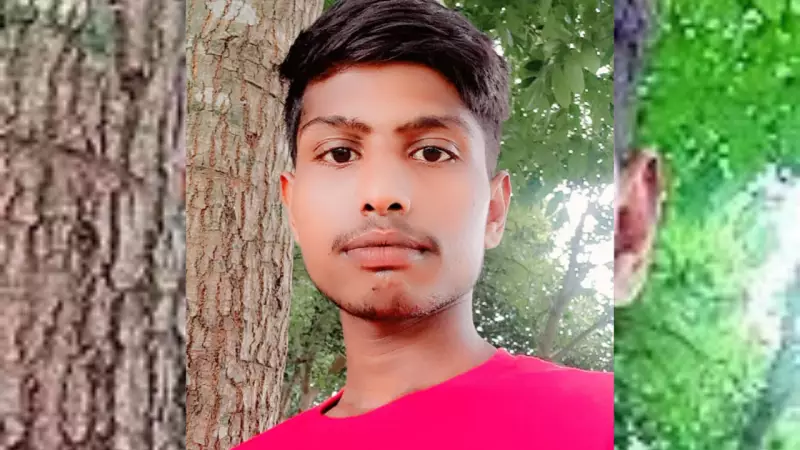
Juel Rana, a 20-year-old mason from Suti in Murshidabad, had arrived in Sambalpur, Odisha, just five days before the attack. On the night of December 24, he was sitting with two fellow Bengali workers near a bonfire at an under-construction site in Danipali. According to eyewitness accounts and police reports, a group of local youths approached them, asking for bidis.
What began as a simple request quickly turned hostile. The youths allegedly demanded to see the workers' Aadhaar cards. An altercation broke out, which soon spiraled into extreme violence. The mob, reportedly comprising seven to eight people, began assaulting the three workers with sticks, iron rods, and sharp weapons.

Juel Rana, the only son of his parents, died on the spot. The two other migrant labourers from Bengal sustained critical injuries and were rushed for medical treatment. Their condition remains serious.
Grief in Bengal and Political Reactions
Back in Chakbahadurpur village in Suti, Murshidabad, grief has overwhelmed Juel's family. His mother, Nazma Bibi, filed a written complaint with the Suti police, detailing the horrific phone call she received about the attack. Juel's father, Ziaul Haque, is also a mason currently working in Kerala.
Local administration officials, police, and Trinamool Congress MLA Imani Biswas visited the bereaved family. Biswas alleged that the attackers asked the workers to chant 'Jai Shri Ram' before assaulting them. The MLA stated efforts were underway to bring Juel's body back to Bengal.
The incident has triggered strong political reactions from West Bengal. Samirul Islam, chairperson of the Bengal migrant welfare board, blamed BJP-governed states for targeting Bengali-speaking workers. State minister Shashi Panja questioned the silence of BJP leaders over such continuous violence against migrant labourers.
Police Action and Contradictory Narratives
Odisha police acted swiftly following the incident. Sambalpur SP Mukesh Bhamu confirmed that six persons have been arrested in connection with the lynching, and raids were conducted at several locations. He assured that anyone else involved would also be apprehended.
However, the police version of the trigger for the violence differs. Odisha Inspector General of Police, Himanshu Lal, claimed the clash originated from a monetary dispute and suddenly escalated. He asserted that the incident had no communal or linguistic angle and that a scientific investigation was ongoing.
This claim stands in stark contrast to the eyewitness account of Naushad Ali, a Murshidabad youth present at the scene, and the family's complaint, which clearly state the attackers accused the workers of being Bangladeshi.
Fear Grips Migrant Community
The brutal killing has sent shockwaves through the community of Bengali-speaking migrant labourers in Sambalpur and beyond. Many workers now live in fear. Majhar Khan, another mason from Bengal, voiced the community's anguish, stating they are often wrongly suspected of being Bangladeshi infiltrators and attacked. He appealed to the state government for immediate protection.
This tragic event highlights the persistent vulnerabilities faced by internal migrant workers in India, who often confront suspicion, linguistic prejudice, and violence far from their homes, turning their search for livelihood into a fight for survival.