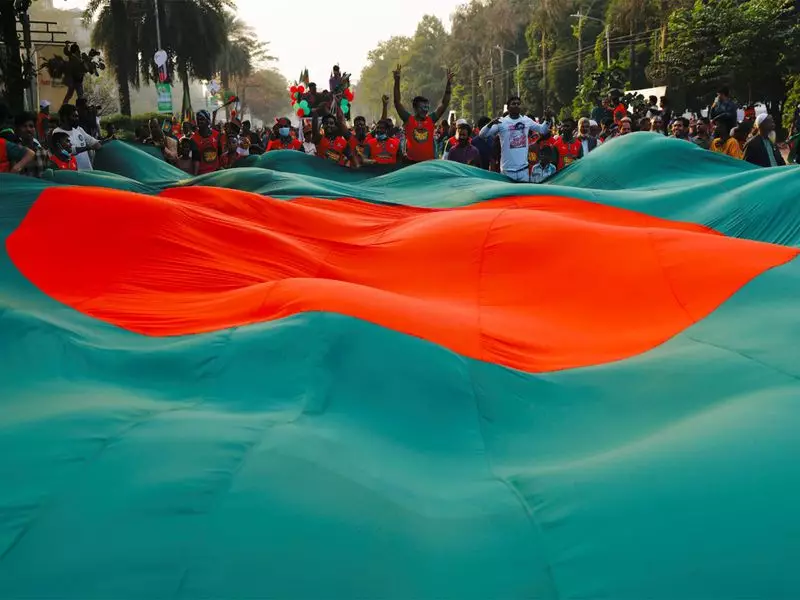
The political landscape in Bangladesh has been jolted by a dramatic ultimatum from a prominent student organization. Following the conclusion of funeral rites for a slain activist, a major student body has set a tight deadline for the government to act, escalating tensions in the capital.
A Deadline for Justice
The student organization known as Inqilab Moncho has delivered a stern 24-hour ultimatum to Bangladesh's Home Ministry. This decisive move came immediately after the funeral of Osman Hadis, a fellow activist whose death has become a rallying point. The group is demanding clear answers and accountability regarding the circumstances surrounding Hadis's demise.
The ultimatum was formally announced from the organization's central office, putting immense pressure on the government led by Prime Minister Sheikh Hasina. Inqilab Moncho has warned that if their demands are not met within the stipulated time frame, they will initiate a severe and widespread agitation program across the nation. The specifics of this planned escalation have not been fully disclosed, but it signals a potential for significant civil unrest.
The Catalyst: Osman Hadis's Death
The entire situation stems from the tragic death of activist Osman Hadis. His funeral proceedings, which concluded recently, served as a powerful and emotional gathering point for supporters and fellow activists. The event transformed into a platform for expressing deep-seated grievances against the current administration.
Inqilab Moncho and its supporters allege that Hadis's death is shrouded in mystery and point fingers at the authorities. They are insisting that the Home Ministry, which oversees internal security and law enforcement, must provide a transparent and satisfactory explanation. The group's core demand revolves around delivering justice for Osman Hadis and holding any responsible parties accountable.
Mounting Pressure and Potential Fallout
This 24-hour deadline places the Bangladeshi government in a precarious position. The Home Ministry, led by Asaduzzaman Khan, must now carefully calibrate its response. A failure to address the student group's demands could trigger the announced agitation, leading to protests and possible clashes in Dhaka and other cities.
Conversely, acceding to the ultimatum might be seen as bowing to pressure from a protest group, setting a potential precedent. The standoff highlights the ongoing and often volatile nature of student politics in Bangladesh, where youth organizations play a crucial role in mobilizing public opinion and challenging the establishment.
As the clock ticks down, all eyes are on the Home Ministry's next move. The response, or lack thereof, will likely determine whether Bangladesh experiences a period of renewed political turmoil and street protests in the coming days. The situation remains fluid, with the potential for rapid developments as the deadline approaches.