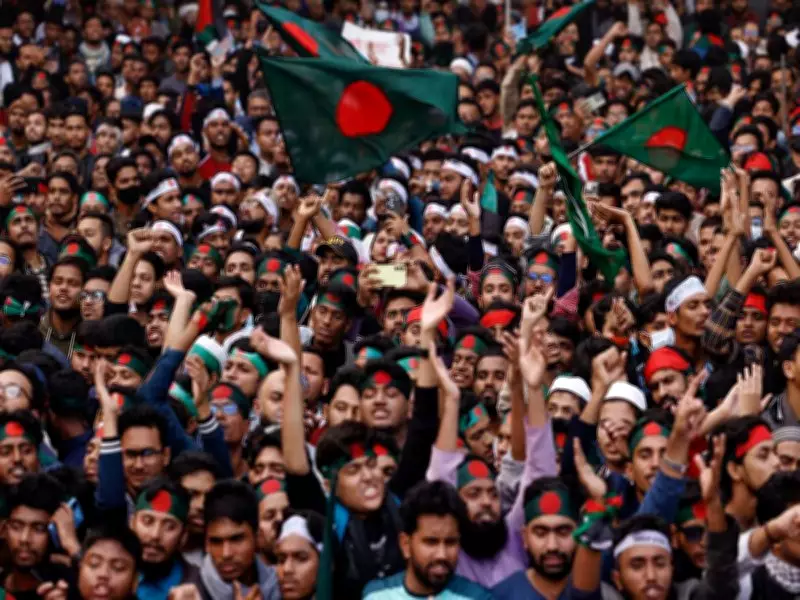
Bangladesh Parliament Prepares for MP Swearing-In Ceremony
Bangladesh's political landscape is poised for a significant event as newly elected Members of Parliament (MPs) are scheduled to be sworn in tomorrow. This ceremony marks a crucial step in the formation of the new government, following recent elections. However, the process is clouded by uncertainty, particularly regarding a second oath-taking event that has sparked debates and concerns among political observers.
Uncertainty Over Second Oath Ceremony
The primary focus of attention is the ambiguity surrounding a potential second oath ceremony for MPs. Sources indicate that while the initial swearing-in is proceeding as planned, discussions about a follow-up event have led to confusion and speculation. This uncertainty stems from unresolved political disputes and procedural questions, which could impact the smooth transition of power and parliamentary operations.
Political tensions have been escalating in Bangladesh, with various factions expressing differing views on the oath-taking process. The lack of clarity on the second ceremony has raised fears of delays or conflicts that might hinder the parliament's ability to function effectively. Analysts suggest that this situation reflects broader challenges in the country's democratic institutions, where electoral outcomes often lead to contentious aftermaths.
Implications for Governance and Stability
The swearing-in of MPs is a foundational moment for any democracy, as it legitimizes the elected representatives and sets the stage for legislative activities. In Bangladesh, this event takes on added significance due to the ongoing political volatility. The uncertainty over the second oath could delay key parliamentary sessions, budget approvals, and policy implementations, potentially affecting governance and public trust.
International observers are closely monitoring the developments, as Bangladesh's stability has regional implications. The country has faced periodic political unrest, and a smooth parliamentary induction is seen as vital for maintaining order and fostering economic growth. Any disruptions in this process might lead to protests or legal challenges, further complicating the political scenario.
Background and Context
Bangladesh recently held general elections, which resulted in the current batch of MPs being elected. The oath-taking ceremony is a constitutional requirement, but the specifics can vary based on parliamentary rules and political agreements. In this case, the debate over a second oath appears to be linked to procedural nuances or potential disputes over election results, though official details remain scarce.
The situation underscores the importance of transparent and efficient parliamentary processes in democracies. As Bangladesh navigates this period of uncertainty, the focus will be on how quickly the new MPs can assume their roles and begin addressing national issues, from economic challenges to social reforms.