In a powerful and direct address, a senior journalist from Bangladesh has issued a stark demand for genuine democratic governance in the country, forcefully rejecting the prospect of a state ruled by religious doctrine or misinformation. The statement comes as Bangladesh prepares for its next national election, a period often marked by intense political friction.
A Clarion Call for Democratic Principles
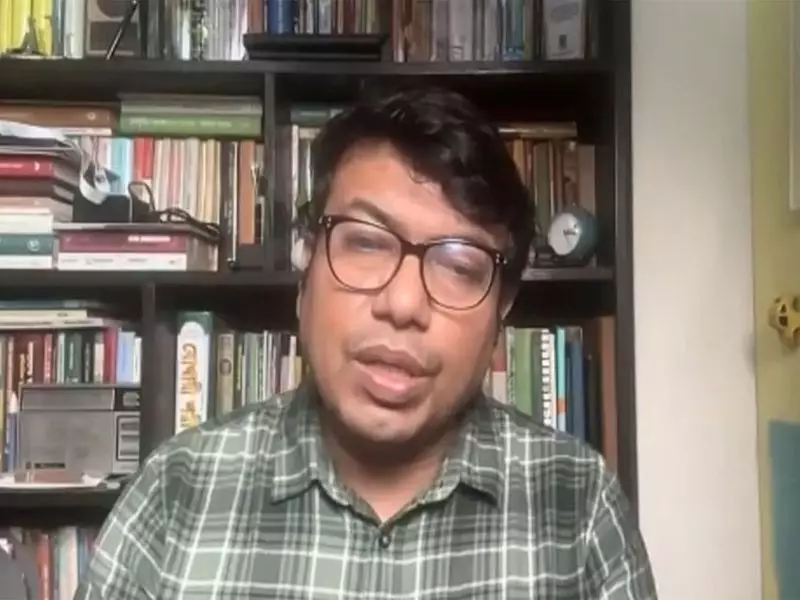
The journalist, Zafar Sobhan, who serves as the editor of the Dhaka Tribune, made his position unequivocally clear. He articulated a vision for Bangladesh that is rooted in secular, democratic values, distancing itself from identity-based politics. "We want democracy, not rule by false propaganda, and not a religious state," Sobhan declared. This succinct phrase captures the core anxiety among a section of intellectuals and citizens regarding the nation's political trajectory.
His comments are seen as a critical commentary on the current political environment, where the ruling Awami League, led by Prime Minister Sheikh Hasina, is poised for another term. The main opposition, the Bangladesh Nationalist Party (BNP), and its allies have frequently accused the government of authoritarian practices, stifling dissent, and manipulating the electoral process. The BNP has historically aligned itself with Islamist parties, a factor that shapes Sobhan's warning against a 'religious state'.

The Context of Upcoming National Polls
The timing of this statement is significant. Bangladesh is navigating the complex run-up to its next general election, a process that has been a source of considerable tension between the government and the opposition. The BNP and other opposition groups have been demanding the resignation of the current government to make way for a neutral caretaker administration to oversee the polls—a demand the Awami League has consistently rejected.
Sobhan's critique extends beyond mere electoral mechanics. He emphasized that the desire among Bangladeshis is for a functional democracy where the rule of law, freedom of expression, and institutional integrity are paramount. The reference to "false propaganda" is interpreted as a jab at the pervasive narratives and counter-narratives that dominate political discourse, often blurring the lines between fact and manipulation.
Implications for Bangladesh's Political Future
This public stance by a respected editor highlights the deepening concerns within civil society about the health of Bangladesh's democracy. The call is not just for a change in government but for a fundamental recommitment to the secular and democratic principles upon which the nation was founded. It underscores a fear that the political struggle is pulling the country towards either entrenched one-party rule or a shift towards majoritarian religious politics.
The statement has resonated with many who feel caught between these two poles. It serves as a reminder of the ongoing battle for Bangladesh's political soul, a battle that will be profoundly influenced by the conduct and outcome of the forthcoming national election. Whether this plea for a middle path of robust, secular democracy will find traction amidst polarized politics remains one of the most critical questions for the nation's future.
As the election season intensifies, voices like Sobhan's are crucial in framing the debate not just around who wins power, but about the very nature of the state and governance that the people of Bangladesh will endorse.