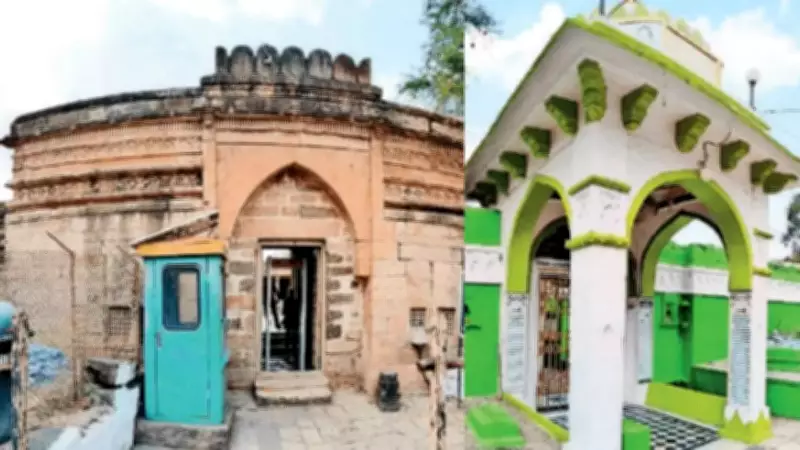
ASI Survey Confirms Temple Remains at Bhojshala Site, Igniting Legal Confrontation
A comprehensive 2,189-page report from the Archaeological Survey of India has confirmed that the Kamal Maula Mosque structure at Bhojshala was constructed using remains from ancient temples. This landmark finding, presented to the Indore bench of the Madhya Pradesh High Court, has propelled the decades-long religious dispute into a critical legal phase that could determine the site's future.
Scientific Methodology Behind the ASI Conclusions
The Archaeological Survey of India conducted an extensive 98-day multidisciplinary investigation that included detailed excavation work, structural analysis, inscription studies, sculpture examinations, and architectural symmetry assessments. According to the ASI, these scientific methods collectively indicate the reuse of earlier temple materials in the current mosque structure, providing what officials describe as conclusive evidence of the site's layered history.
High Court Establishes Tight Timeline for Legal Proceedings
Justices Vijay Kumar Shukla and Alok Awasthi of the Madhya Pradesh High Court have directed all involved parties to submit their formal objections to the ASI report within a strict two-week deadline. The court has scheduled the next crucial hearing for March 16, 2026, establishing a clear timeline that places this complex dispute firmly within the judicial system for resolution.
Divergent Religious Perspectives Intensify
Hindu communities have long revered Bhojshala as the sacred seat of Goddess Vagdevi (Saraswati), traditionally believed to have been established by Raja Bhoj during the 11th century. The ASI findings have significantly reignited demands for establishing a full-fledged temple at the historically significant location, with devotees expressing renewed spiritual claims to the site.
Conversely, Muslim representatives have strongly rejected the ASI conclusions, characterizing them as "misdirection" and citing historical ASI records that previously identified the structure as a mosque. They have affirmed their commitment to continuing Friday namaz at the site while preparing to legally challenge the survey findings through formal court proceedings.
Century-Long History of Communal Tensions
Bhojshala has been officially listed as a protected monument since the early 1900s, but the site has experienced repeated communal tensions throughout its modern history. These conflicts have been particularly pronounced when the Hindu festival of Basant Panchami coincides with Muslim Friday prayers. A regulated worship arrangement established in 2003 has attempted to manage these overlapping religious claims, though the current legal developments threaten to disrupt this delicate balance.
Supreme Court Established Scientific Parameters
When authorizing the ASI survey in April 2024, the Supreme Court of India established important guardrails, specifically directing that no excavation activities should alter the fundamental character of the site. This judicial oversight ensured the investigation remained strictly scientific in nature without physically modifying the protected monument's existing structure or appearance.
Emotional Responses and Historical Demands Resurface
Following the report's public release, emotional responses have intensified in Dhar district. Large gatherings of devotees have assembled during Tuesday prayers, distributing Vagdevi Chalisa booklets and preparing marigold-adorned niches while amplifying calls for temple construction. Simultaneously, the controversy has revived longstanding demands for repatriation of the Vagdevi idol, which was taken to London during the 19th century and remains displayed at the British Museum. Legal petitioners argue that clear judicial determination of the site's title could strengthen efforts to reclaim this significant religious artifact.
Judicial Resolution Awaited Amid Persistent Tensions
Despite the comprehensive ASI findings, the fundamental dispute over Bhojshala remains judicially unresolved. The Madhya Pradesh High Court must now interpret the extensive survey report and make determinations regarding title and religious rights at the contested location. Until this judicial resolution occurs, Bhojshala continues to exist as a protected monument at the complex intersection of faith, legal interpretation, and historical preservation—a site where centuries of religious significance meet contemporary legal frameworks in a nation grappling with its layered heritage.