Andhra Pradesh Police Launch Groundbreaking Narcotics Training for New Recruits
The Andhra Pradesh state government has successfully recruited approximately 6,100 police constables in a major staffing expansion. In a significant development for law enforcement training, authorities have introduced specialized instruction on narcotic and psychotropic substances (NDPS) into the curriculum for the first time in the state's history.
Comprehensive Training Program Structure
Damodaram Sanjivayya National Law University (DSNLU) in Visakhapatnam will conduct this innovative training initiative. The program consists of a 42-day module with two hours of daily instruction, integrated into the standard nine-month pre-service training that all police recruits undergo.
The NDPS curriculum covers multiple critical areas including enforcement of drug laws, safe handling and proper disposal of seized narcotics, identification of illicit cultivation operations, and comprehensive strategies for preventing trafficking and substance abuse. The training also prepares recruits for courtroom procedures, trial management techniques, analysis of reasons for acquittals, and study of key judicial precedents that shape drug enforcement practices.
Modernizing Police Training in Andhra Pradesh
This initiative represents a substantial shift toward modernizing police training methodologies throughout Andhra Pradesh. The program integrates legal expertise, technological competencies, and courtroom skills within a structured NDPS-focused curriculum. As narcotics networks become increasingly organized and digitally sophisticated, the training equips constables with practical abilities in intelligence collection, evidence handling procedures, and cyber investigation techniques.
The curriculum has been specifically tailored to address regional challenges including synthetic drug proliferation, ganja cultivation in border districts, and the growing problem of online drug trafficking. This targeted approach aims to strengthen frontline enforcement capabilities across the state.
Statewide Implementation Through Strategic Partnership
DSNLU has formalized a memorandum of understanding with the police department to deliver this specialized training across multiple locations statewide. The program will reach four police colleges, five battalions, and nine training centers throughout Andhra Pradesh. All instruction will be conducted through online platforms to ensure widespread accessibility.
The agreement was formalized by key representatives including IGP (Training) Satya Yesubabu representing the police department, Vizianagaram principal D. Ramachandra Raju representing the training college, and DSNLU vice-chancellor Prof D. Surya Prakasa Rao.
Expected Impact on Law Enforcement Effectiveness
Speaking about the program's objectives, Prof Prakasa Rao explained that the training is anticipated to improve conviction rates by reducing procedural errors, strengthening case documentation practices, and ensuring lawful handling of drug seizures. "Exposure to landmark court judgments and acquittal case studies will help personnel understand legal loopholes and avoid common mistakes during investigations and trials," he stated.
The vice-chancellor further elaborated that modules covering illicit crop detection, precursor chemical diversion monitoring, and drug abuse prevention strategies will promote proactive rather than reactive policing approaches. "By combining operational, legal, and awareness-based training components, the program aims to produce better-prepared officers capable of tackling drug trafficking networks, protecting public health, and strengthening community safety across Andhra Pradesh," Prof Rao emphasized.
Comprehensive Curriculum Components
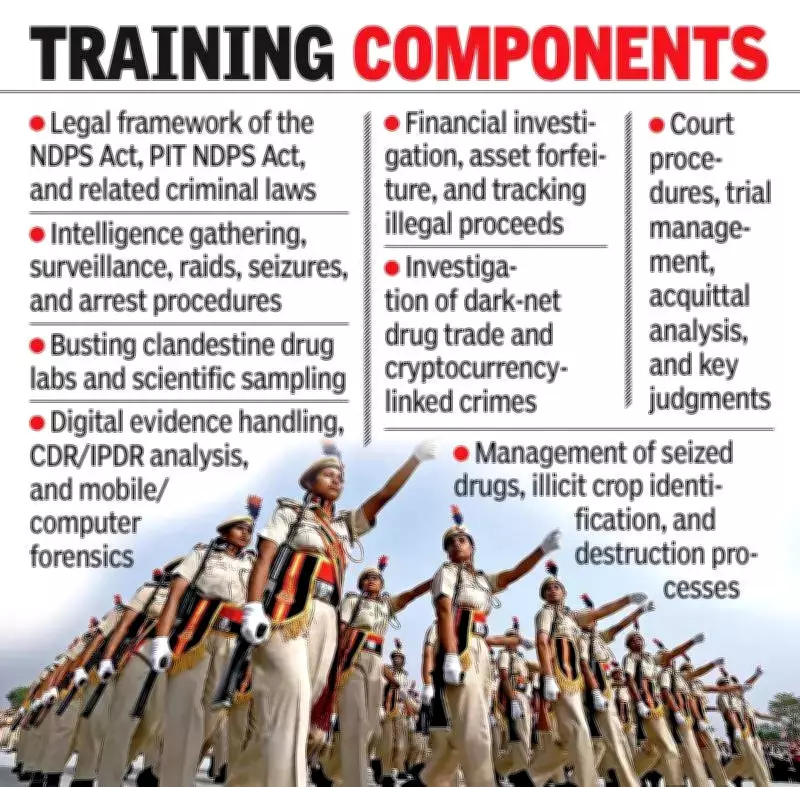
The training program includes multiple specialized components designed to create well-rounded drug enforcement professionals:
- Legal framework of the NDPS Act, PIT NDPS Act, and related criminal laws
- Intelligence gathering methodologies, surveillance techniques, raid procedures, seizure protocols, and arrest procedures
- Busting clandestine drug laboratories and implementing scientific sampling protocols
- Digital evidence handling procedures, CDR/IPDR analysis techniques, and mobile/computer forensics
- Financial investigation methods, asset forfeiture processes, and tracking illegal proceeds
- Investigation of dark-net drug trade operations and cryptocurrency-linked crimes
- Court procedures, trial management strategies, acquittal analysis, and key judicial judgments
- Management of seized drugs, illicit crop identification methods, and destruction processes
The curriculum also familiarizes constables with global, regional, and national drug trafficking landscapes, recent trends in substance abuse, and evolving modus operandi of traffickers. Trainees will learn awareness-building strategies to combat drug abuse among students, youth, and the general public, with emphasis on behavioral change communication and the role of families in addiction prevention and rehabilitation efforts.
This comprehensive approach strengthens both enforcement capabilities and community-oriented policing models, representing a significant advancement in Andhra Pradesh's law enforcement training infrastructure.