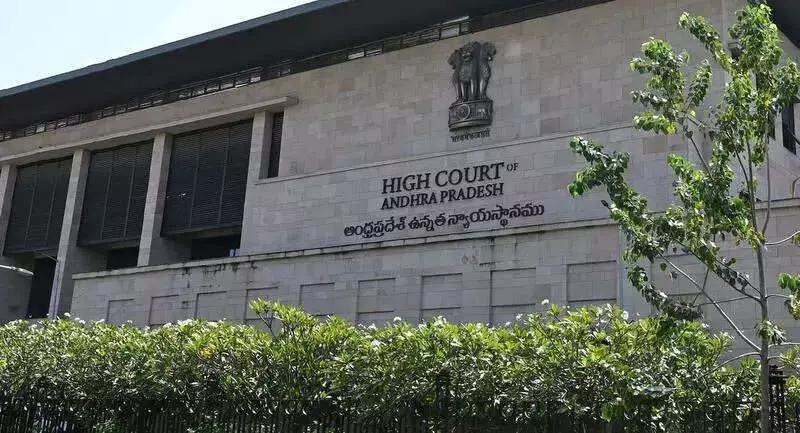
The Andhra Pradesh High Court has stepped in to address a long-standing grievance regarding job reservations for persons with disabilities. On Wednesday, the court formally issued notices to the state government, demanding its response to a public interest litigation (PIL) that challenges the alleged failure to properly implement reservation policies in government employment and promotions.
Petition Highlights Decades of Alleged Non-Compliance
The legal challenge was mounted by the National Federation of the Blind, represented by its secretary, Permanand Dwivedi. The petition takes aim at various Government Orders (GOs) issued by the Andhra Pradesh government since 1996. These GOs amended the Andhra Pradesh Subordinate Service rules, which dictate how the reservation scheme for persons with disabilities should be executed.
Arguing for the petitioner, senior counsel S K Rungta presented a compelling case before the bench. He emphasized that according to clear Supreme Court guidelines, a 4% horizontal reservation must be provided for persons with disabilities. However, in Andhra Pradesh, this mandated reservation is improperly merged with community-based (vertical) reservations, distorting its intended purpose and effectiveness.
Key Arguments: Roster Violations and Post-Based Flaws
Rungta's arguments pinpointed specific areas of non-implementation. He stated that the apex court had directed all states to create and maintain a dedicated roster system for disability reservations, covering both initial appointments and promotions. "However, nothing is implemented in Andhra Pradesh, which is a direct violation of Supreme Court orders," he asserted.
Furthermore, the counsel highlighted a critical discrepancy in the method of reservation. While the Supreme Court has ruled in favor of vacancy-based reservations for persons with disabilities, the Andhra Pradesh government is allegedly implementing a post-based reservation system. Rungta argued that posts identified for persons with disabilities should be treated as backlog positions and filled promptly to address historical underrepresentation.
Court's Directive and Next Steps
The HC bench, comprising Chief Justice Dhiraj Singh Thakur and Justice Challa Gunaranjan, gave a patient hearing to these submissions. Convinced of the need for a detailed explanation, the bench directed the state government to file its official response. Additionally, the court asked Advocate Rungta to submit a compiled record of relevant Supreme Court judgments to bolster the petitioner's case.
The matter has been scheduled for its next hearing after six weeks, giving both sides time to prepare their detailed arguments. This judicial intervention brings renewed hope for disability rights activists who have long contended that the state's policies fall short of constitutional mandates and top court directives.