Allahabad High Court Stays Order to Close Shravasti Madrasa
The Allahabad High Court has issued a stay on a government order to close a madrasa in Shravasti, Uttar Pradesh. This decision comes after the madrasa faced potential shutdown due to administrative directives.
Jamiat Ulema-e-Hind Welcomes the Court's Intervention
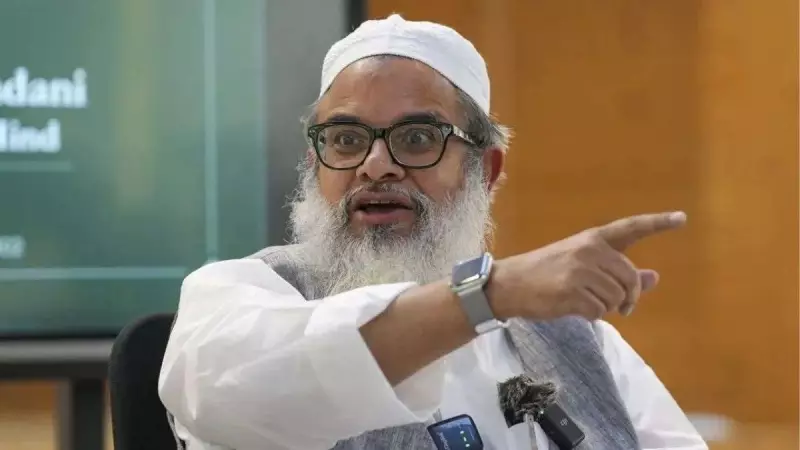
Jamiat Ulema-e-Hind, a prominent Muslim organization, has warmly welcomed the high court's stay order. The group described the ruling as a significant victory for constitutional principles.
"This is a triumph for the Constitution," a Jamiat spokesperson stated. The organization emphasized that the court's action upholds the rights of minority educational institutions across the state.

Details of the Madrasa Closure Order
The original order to close the Shravasti madrasa was issued by local authorities in Uttar Pradesh. Officials cited regulatory compliance issues as the primary reason for the proposed closure.
However, the madrasa management challenged this order in the Allahabad High Court. They argued that the closure would disrupt the education of numerous students and infringe upon their constitutional rights.
Legal Proceedings and Immediate Impact
During the hearing, the high court considered arguments from both sides. The judges decided to grant a stay, effectively halting the closure process until further legal review.
This interim relief allows the madrasa to continue its operations without interruption. Students and teachers can now resume their academic activities without the immediate threat of shutdown.
Broader Implications for Educational Institutions
The case highlights ongoing tensions between government regulations and minority educational rights in India. Legal experts suggest that this ruling could set a precedent for similar disputes in other states.
"The court's decision reinforces the protection of minority institutions under the Constitution," noted a senior advocate familiar with the case. It underscores the judiciary's role in safeguarding educational diversity.
Reactions from the Community and Authorities
Local residents in Shravasti have expressed relief over the high court's stay. Many parents and students had feared the loss of educational opportunities if the madrasa closed.
Uttar Pradesh government officials have not yet commented publicly on the court's order. The state administration is expected to review the legal implications before deciding on its next steps.
Jamiat Ulema-e-Hind plans to continue advocating for the rights of madrasas and other minority-run schools. The organization urges authorities to adopt a more collaborative approach in addressing regulatory concerns.
Looking Ahead: Future Legal Battles
The stay order is a temporary measure, and the case will proceed with further hearings in the Allahabad High Court. Both parties are preparing for a prolonged legal battle to resolve the underlying issues.
Observers believe that the final judgment could have far-reaching consequences for educational policy in Uttar Pradesh and beyond. It may influence how governments interact with private and minority institutions nationwide.
For now, the Shravasti madrasa remains open, thanks to the court's timely intervention. The community hopes for a permanent solution that balances regulatory compliance with constitutional freedoms.