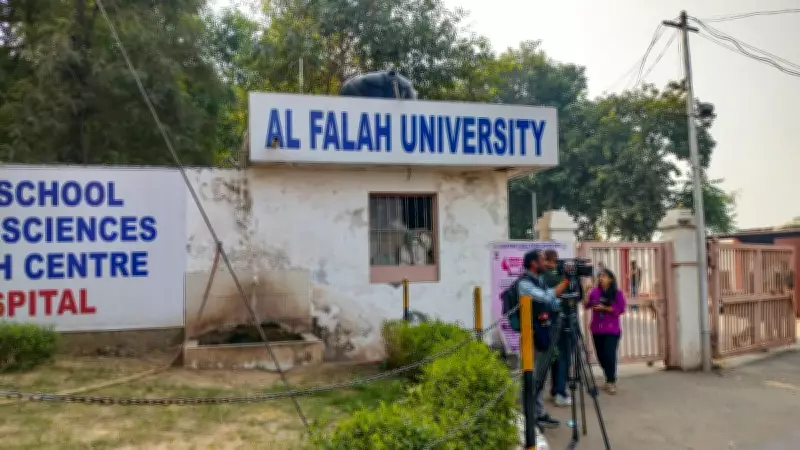
Al Falah University Chairman Javad Siddiqui Arrested in Fraud Case, Sent to Four-Day Police Remand
In a significant development, Javad Siddiqui, the Chairman of Al Falah University, has been arrested in connection with a fraud case. The arrest has sent shockwaves through the educational and business communities, highlighting concerns over governance and financial integrity in private institutions.
Details of the Arrest and Police Custody
Authorities have confirmed that Javad Siddiqui was taken into custody following a thorough investigation into allegations of financial misconduct. The case involves serious accusations of fraud, which are currently under scrutiny by law enforcement agencies. After his arrest, Siddiqui was produced before a court, which subsequently granted a four-day police remand. This remand period will allow investigators to conduct further interrogations and gather additional evidence related to the case.
Background of the Fraud Allegations
The fraud case against Javad Siddiqui stems from allegations of financial irregularities and potential misuse of funds within Al Falah University. Sources indicate that the investigation was initiated after complaints were filed regarding suspicious transactions and possible embezzlement. The university, which operates under Siddiqui's leadership, has been under the scanner for some time, with authorities looking into various aspects of its financial operations and administrative practices.
Impact on Al Falah University and Stakeholders
The arrest of the university's chairman is expected to have far-reaching implications for Al Falah University and its stakeholders. Students, faculty, and investors are likely to be concerned about the institution's stability and reputation. The case raises questions about the oversight mechanisms in place for private educational entities and the need for stricter regulatory frameworks to prevent such incidents in the future.
Legal Proceedings and Future Steps
As the investigation progresses, legal experts anticipate that more details will emerge regarding the extent of the fraud and the individuals involved. The four-day police remand is a critical phase, during which authorities will aim to uncover the full scope of the allegations. Depending on the findings, further legal actions, including potential charges and court hearings, may follow. The case is being closely monitored by regulatory bodies and the public, given its implications for educational governance in India.
This incident underscores the importance of transparency and accountability in the management of educational institutions, urging a reevaluation of existing policies to safeguard against fraud and misconduct.