In a significant development, a court in Uttar Pradesh's Surajpur has adjourned the hearing in the 2015 Mohammad Akhlaq lynching case to January 8. The decision came on Tuesday after the key witnesses in the case could not be presented before the court.
Court Adjourns Hearing Due to Absence of Witnesses
Additional District Judge Saurabh Dwivedi postponed the proceedings after being informed that the family members of the victim, who are crucial witnesses, were unable to attend. The lawyer representing Akhlaq's family, Mohammad Yusuf Saifi, informed the court that the brother-in-law of Sartaaz, Akhlaq's elder son, had passed away a day earlier, leading to the family's absence.
Judge Dwivedi, who had earlier directed daily hearings in the fast-tracked trial, inquired if the matter could be taken up on Wednesday. However, Saifi requested a later date, resulting in the hearing being scheduled for January 8, 2026. The judge also revealed that he had written to the Commissioner of Police, Gautam Buddh Nagar, and the Deputy Commissioner of Police, Greater Noida, to ensure the security of the witnesses.
Background: Court Rejects State's Plea to Withdraw Case
This hearing follows a major order from the same court last month, where it firmly rejected the Uttar Pradesh government's application seeking to withdraw all charges against the accused. The state government had filed the plea on October 15, 2025, citing reasons like alleged inconsistencies in statements by Akhlaq's kin and the absence of recovered firearms or previous enmity.
In a strongly-worded order, the court categorized the case as "most important" and mandated daily hearings. It emphasized that murder is a crime against society and that the state prosecutes such cases to ensure the "fear of law remains ingrained in society." The court found the prosecution's plea for withdrawal to be without basis and fit for rejection.
The 2015 Dadri Lynching Incident
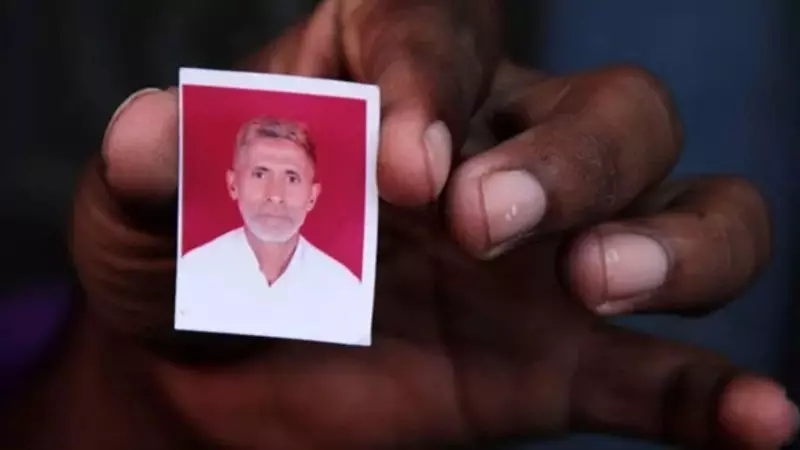
The case dates back to September 2015, when 50-year-old Mohammad Akhlaq was brutally beaten to death by a mob in Bisada village of Dadri, Gautam Buddh Nagar district. The attack was triggered by rumors that Akhlaq had slaughtered a cow and stored its meat in his house. The incident sparked nationwide outrage and became a flashpoint in debates over mob violence and cow protection vigilantism.
The court, in its previous order, relied on landmark Supreme Court judgments, including Sheo Nandan Paswan vs State of Bihar (1987) and Tehseen S Poonawala vs Union of India (2018), to uphold the rights of the victims' family to object to the withdrawal of the case. The trial continues to be closely watched as a test of the judicial process in cases of mob lynching.