New data reveals that more than half of all content removal requests sent by the Indian government to the social media platform X, formerly Twitter, were justified on grounds of "disturbing public order." This finding comes from an analysis of 91 official takedown notices issued over a 20-month period.
Scale and Scope of the Takedown Drive
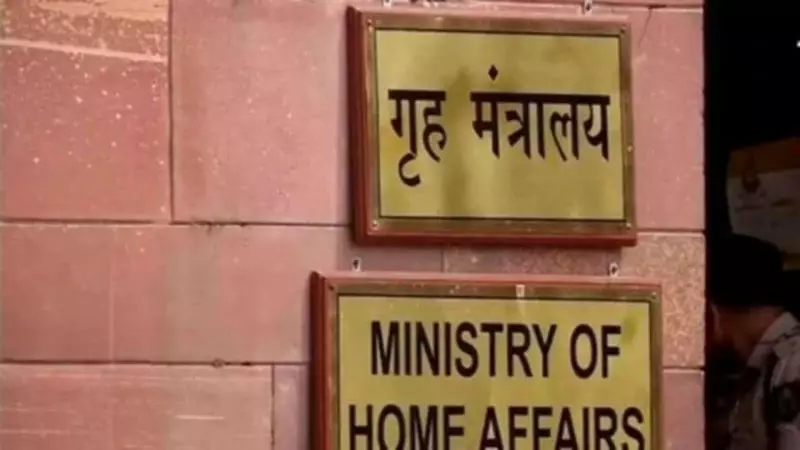
Between March 20, 2024, and November 7, 2025, the Ministry of Home Affairs (MHA) flagged over 1,100 unique URLs to X Corp through its Sahyog portal. The portal, launched as a tool to combat cybercrime, has become a central channel for such directives. Of the total URLs identified, 566—over 50%—were targeted specifically for allegedly disturbing public order.
The second-largest category involved content targeting political and public figures, accounting for 124 URLs. The records, filed by the MHA in the Delhi High Court, show that 58 notices were sent in 2024 alone. A significant portion of these, 24 notices, cited laws related to violating public tranquility and promoting enmity.

Election Period Sees Major Spike in Actions
The data indicates a clear surge in takedown requests during sensitive political periods. The peak was recorded on May 13, 2024, when a single notice sought the removal of 115 links. The MHA claimed this content was a doctored video "spreading misinformation with the intention to influence ongoing electoral processes."
During the intense months of the Lok Sabha elections in April and May 2024, authorities flagged a total of 761 URLs. Nine separate notices, referencing 198 URLs, invoked violations of the Representation of the People Act. This period saw the highest concentration of government intervention.
Content Targeting Leaders and Criminal Activities
The notices also detailed actions against content featuring high-profile individuals. Nine notices targeted 21 URLs with allegedly manipulated content of Prime Minister Narendra Modi. Six notices sought the removal of 91 URLs featuring Union Home Minister Amit Shah.
In a notable instance from December 2024, X Corp pushed back against a notice targeting 28 URLs, including posts by Congress leaders. The platform argued that 26 of the links did not violate the forgery laws cited by the MHA.
Despite the portal's stated focus on cybercrime, only 14 of the 91 notices alleged clear criminal activity. These included three notices in April 2025 targeting 37 URLs promoting betting apps, one notice flagging child sexual abuse material, and ten notices concerning 40 URLs for potential financial fraud through impersonation.
Legal Battle Over Sahyog Portal's Authority
The release of this data is linked to an ongoing legal confrontation. X Corp is challenging the very legitimacy of the Sahyog portal in the Karnataka High Court. The company's core argument is that the proper legal channel for such orders is Section 69A of the IT Act, which is traditionally used for censorship related to national security and public order but involves a specific process.
The MHA, however, has been using Section 79(3)(b) of the IT Act to issue these notices. X contends this section allows for a wider net to block content without a judicial review, while also providing a safe harbour for intermediaries. In its court affidavit, the MHA stated that X Corp has been "objecting to the unlawful content raised in the notices and authority to notify for removal of such content."
Operation Sindoor and National Security Notices
The analysis also identified another cluster of activity around Operation Sindoor in 2025. Following the military action and the Pahalgam attack, the MHA issued notices citing threats to India's "integrity, sovereignty and security."
In a first for the Sahyog notices, one from April 28, 2025, cautioned against a violation of the Unlawful Activities (Prevention) Act (UAPA). It flagged a URL for "spreading threatening messages directed at the Indian nation." Subsequent notices sought removal of content allegedly critical of the Indian Army, with one also citing cyber terrorism offences.

The data paints a detailed picture of the government's content moderation requests to a major global platform, highlighting the friction between state authority, platform policy, and legal interpretation in the digital age.