
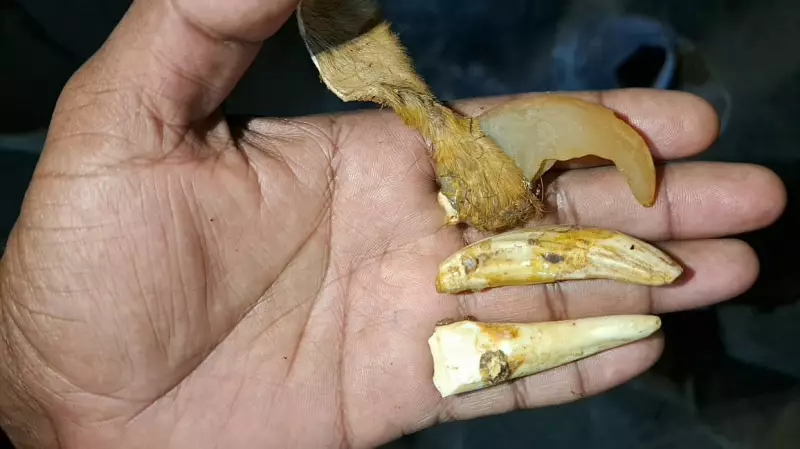
In a shocking discovery that has sent ripples through wildlife conservation circles, forest officials in Gujarat have recovered a massive haul of suspected tiger body parts from a temple. The find includes 37 suspected tiger skins and 133 claws, pointing to a case of significant wildlife crime.
Discovery During Temple Renovation
The incident came to light in Rajpipla, where the trustees of the historic Dharmeshwar Mahadev temple were overseeing repair work. According to official statements, the trustees themselves alerted the forest authorities after the materials were unearthed. The discovery was made on January 8, 2026, and officials swiftly moved to secure the site and begin an investigation.
Investigation Launched by Authorities
The forest department has taken possession of all the recovered items for further examination. A primary focus of the probe is to authenticate the origins of the skins and claws. Experts will conduct forensic tests to confirm if they indeed belong to tigers, a species protected under the highest schedule of India's Wildlife (Protection) Act, 1972.
Key questions investigators are seeking to answer include:
- How long the items had been stored at the temple premises.
- The source and supply chain that brought these prohibited wildlife trophies to the location.
- Whether this points to a larger poaching or illegal trade network in the region.
Implications and Legal Ramifications
The scale of the seizure is alarming for wildlife officials. Possession of tiger body parts is a serious offence, carrying the potential for severe imprisonment and hefty fines. This case highlights the ongoing challenges in combating the illegal wildlife trade, even when items are hidden in unsuspecting places of worship.
The forest department's next steps involve a detailed inventory and formal legal proceedings. The cooperation of the temple trustees in reporting the find is noted as a positive step, but the investigation will determine all liabilities under the law. This incident serves as a stark reminder of the persistent threat to India's national animal and the continuous vigilance required to protect it.