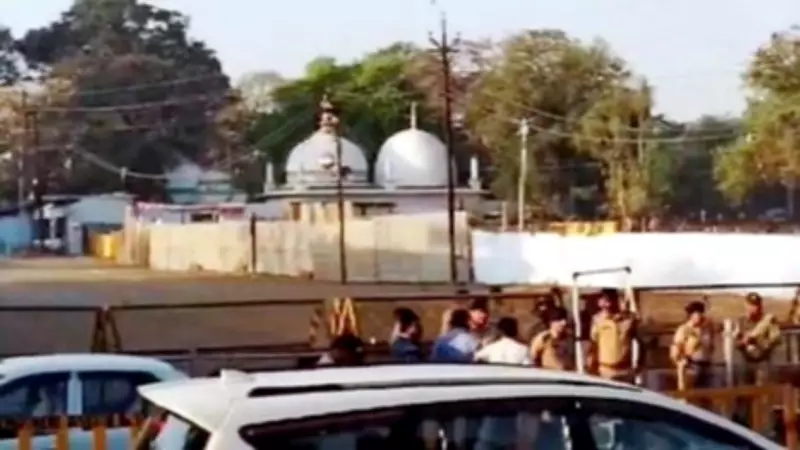
In a recent hearing before the Madhya Pradesh High Court, the Muslim side claimed that a court in the erstwhile Dhar State had declared the Bhojshala complex a mosque in 1935. The statement was made in the context of an ongoing dispute over the religious nature of the site.
Background of the Dispute
The Bhojshala complex, located in Dhar district, has been a subject of contention between Hindu and Muslim communities. Hindus believe it to be a temple dedicated to Goddess Saraswati, while Muslims assert it is the Kamal Maula Mosque. The Archaeological Survey of India (ASI) currently manages the site.
Muslim Side's Argument
Representing the Muslim side, advocate argued that the 1935 verdict by the Dhar State court recognized Bhojshala as a mosque. They submitted historical records to support their claim, emphasizing that the site has been used for Muslim prayers for centuries.

Hindu Side's Position
The Hindu side, however, maintains that the site was originally a temple and that the mosque was built later. They have presented evidence of Hindu religious symbols and inscriptions found at the complex.
Legal Implications
The High Court is examining the historical and legal status of Bhojshala. The case has drawn attention as it involves questions of religious freedom and historical preservation. The court has yet to deliver its verdict.
The dispute over Bhojshala is part of a broader pattern of religious site conflicts in India, where multiple communities claim ownership or rights to historical monuments. The outcome of this case could set a precedent for similar disputes.