Delhi Police Detains 14, Including JNU Student Union Leaders, After Campus Protest March
In a significant development at Jawaharlal Nehru University (JNU) in Delhi, authorities have taken decisive action following a protest march on campus. Delhi Police confirmed the arrest of 14 individuals, which notably includes three office bearers from the JNU Students' Union (JNUSU). The incident unfolded after a group of students organized a demonstration to voice their grievances, leading to allegations of violations against imposed prohibitory orders.
Details of the Arrests and Protest March
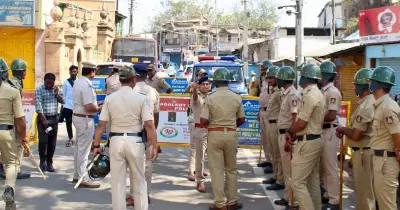
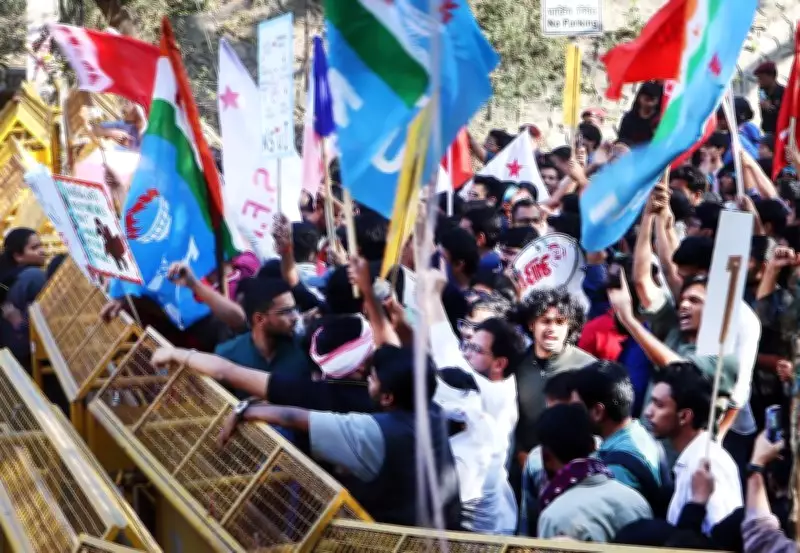
The protest march, which took place recently at JNU, saw a large gathering of students advocating for various demands. According to police reports, the demonstrators proceeded with the march despite explicit warnings and the enforcement of Section 144 of the Criminal Procedure Code, which prohibits unlawful assemblies. This led to a confrontation with law enforcement officials, resulting in the detention of the 14 individuals. Among those arrested, the three JNUSU office bearers have been identified as key organizers of the event, raising concerns about student activism and campus governance.
Eyewitnesses described the scene as tense but largely peaceful until police intervention. The arrests were made on charges of disobeying public orders and potentially disrupting peace on the university premises. Authorities have emphasized that the action was necessary to maintain law and order, citing previous instances of unrest at the institution. The detained individuals are currently undergoing legal proceedings, with investigations ongoing to determine the full extent of their involvement.
Broader Implications for Student Politics and Campus Security
This incident highlights the ongoing tensions between student groups and administrative bodies at JNU, a university known for its vibrant political discourse. The arrest of student union leaders is likely to spark further debates on freedom of expression and the right to protest in educational settings. Experts suggest that such events could influence future campus policies and police protocols regarding demonstrations.
In response, various student organizations and civil rights groups have condemned the arrests, calling them an overreach of authority. They argue that peaceful protests are a fundamental democratic right and should be protected. Conversely, university officials and police maintain that strict measures are essential to prevent chaos and ensure safety for all students and staff. This case underscores the delicate balance between upholding security and respecting activist movements in academic environments.
As the situation develops, stakeholders are closely monitoring the legal outcomes and potential repercussions for student-led initiatives nationwide. The event serves as a reminder of the complex dynamics at play in India's higher education institutions, where activism often intersects with governance challenges.