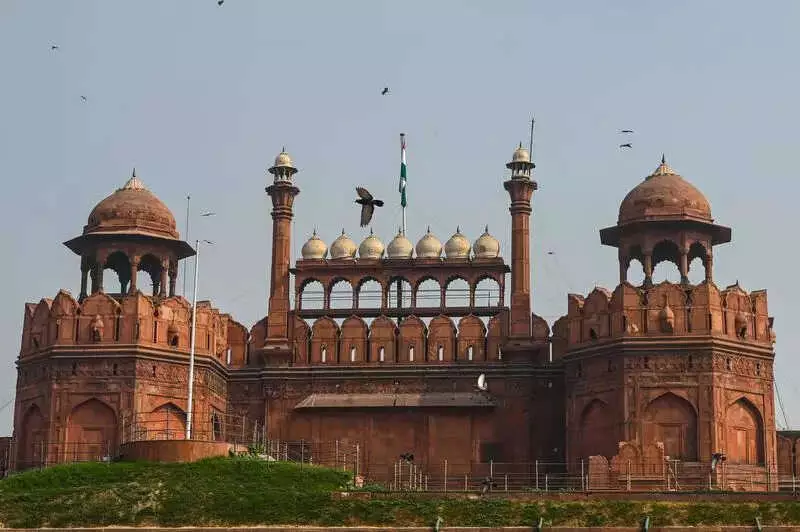
In a significant move to fortify security around one of India's most iconic monuments, the Delhi Police has installed 120 additional closed-circuit television (CCTV) cameras in and around the Red Fort complex. This security upgrade comes in direct response to the blast that occurred in Old Delhi on November 10.
Advanced Surveillance Network Deployed
The strategic placement of the new cameras focuses on critical zones. Police officials confirmed that 100 cameras have been positioned within the Red Fort premises and the bustling Chandni Chowk area. A further 20 cameras are dedicated to monitoring all primary entry and exit points of the Red Fort parking lot.
This new infrastructure is not just about increasing numbers; it incorporates cutting-edge technology. A senior officer revealed that many of these surveillance cameras are equipped with advanced video analytics, including facial recognition technology that is linked to a comprehensive criminal database. The systems also boast an automatic number plate recognition (ANPR) feature, integrated with records of stolen or suspicious vehicles.

Additional capabilities like intrusion detection and suspect object identification are being incorporated, creating a multi-layered security shield around the historic site. This new installation supplements the existing network of 630 CCTV cameras already operational in the Red Fort area.
Mobile Units and Manpower Strengthened
Beyond static cameras, the police are deploying mobile surveillance solutions. A minibus fitted with the same facial recognition system will patrol the vicinity, continuously scanning individuals in crowded areas. The system is designed to generate immediate alerts if a person with a known criminal record is detected.
On-ground vigilance has also been doubled. The personnel strength at the Red Fort police post has been increased from 17 to 35 officers to ensure better monitoring and swift law enforcement. Furthermore, authorities have identified 10 dark spots, including parks and narrow lanes, and have formally requested concerned agencies to install better lighting to eliminate these vulnerabilities.
Community Engagement and Broader Security Measures
The security drive extends beyond technology. Deputy Commissioner of Police (North) Raja Banthia stated that police have held meetings with market welfare associations to discuss safety protocols. In a specific directive, chemical traders have been instructed to maintain detailed records of buyers and enhance their own security by installing CCTV cameras. They are also required to report any suspicious activity, person, or item to the police immediately to prevent potential misuse of hazardous materials.
The police have also taken a hard stance on administrative and civic issues impacting security. To ensure clear access around sensitive zones, 150 cases have been registered to remove illegal occupation. In a broader push for accountability, a staggering 509 First Information Reports (FIRs) were filed for non-compliance with tenant and servant verification norms.
Additionally, the Municipal Corporation of Delhi (MCD) has been directed to inspect and clear the drainage systems in and around the Red Fort. This measure aims to ensure no objects or debris are stored inside drains, which could pose safety or security risks.
In a proactive step to involve the community, parking attendants in the area are now being trained to identify unattended or unusual vehicles and promptly alert the police, turning everyday workers into additional eyes and ears for security forces.