Ludhiana's Solar Village Competition Ignites Renewable Energy Revolution
In a significant boost to renewable energy adoption, the declaration of Ghudani Kalan as the top performer in Ludhiana's model solar village competition has triggered a remarkable increase in solar energy implementation across participating villages. The competitive initiative has created lasting momentum that continues to drive installations even after the formal conclusion of the contest.
Competition Framework and Outstanding Performance
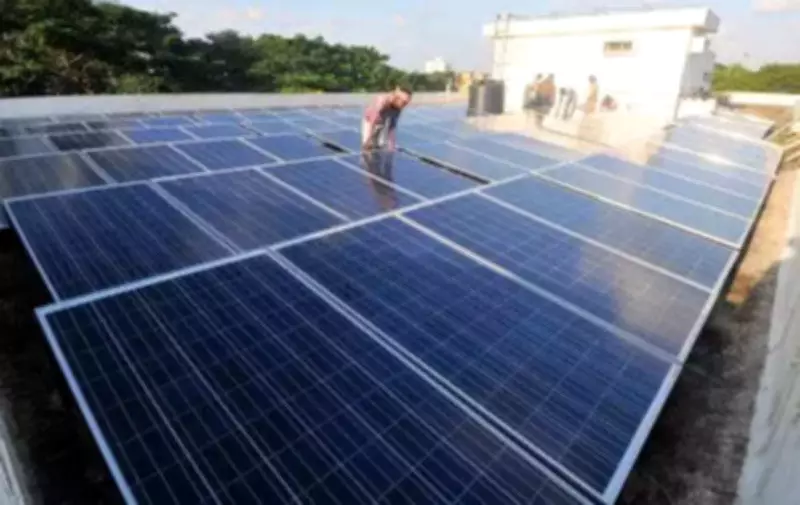
A total of 11 villages participated in this district-level initiative, with the village generating the highest amount of solar power being declared the winner. Ghudani Kalan secured the prestigious first position by producing approximately 216 kilowatts (kW) of solar power, all of which was successfully fed into the electricity grid. This achievement represents a significant milestone in rural renewable energy generation.
Gurinder Singh, district manager of Punjab Energy Development Agency (PEDA), emphasized that the competition generated substantial awareness about both economic and environmental advantages of solar power. "During the competition period alone, we witnessed 34 domestic and commercial units installing rooftop solar systems," Singh noted. "Once villagers experienced actual reductions in electricity bills and understood the subsidy benefits available under government schemes, interest in adopting solar energy grew steadily."

Strategic Implementation and Community Engagement
The success of Ghudani Kalan followed a focused strategic approach. Gurinder Singh, sarpanch of Ghudani Kalan, explained their methodology: "We prioritized installations in high-consumption locations to maximize impact. Residents became increasingly willing to adopt solar energy once they realized these systems could significantly reduce power costs while allowing surplus electricity to be supplied back into the grid."
This community-led engagement model has demonstrated how grassroots initiatives can effectively encourage renewable energy adoption. The competitive environment, combined with sustained awareness efforts by officials, created a perfect storm for solar energy proliferation throughout the district.
Broader Impact and Government Alignment
Authorities highlight that the true significance of this initiative extends beyond the competition itself. The broader impact lies in its ability to encourage more households and commercial establishments to adopt rooftop solar panels as a sustainable energy solution. This aligns perfectly with the national PM Surya Ghar: Muft Bijli Yojana, which aims to help households reduce electricity bills through rooftop solar installations supported by financial assistance and subsidy provisions.
The competition formed an integral part of the government's wider push to promote renewable energy in rural areas and support self-reliant electricity generation. By creating tangible examples of successful implementation, the initiative has broken down barriers to solar adoption that previously existed in these communities.
Sustained Momentum Beyond Competition Timeline
Remarkably, the momentum has continued well beyond the formal conclusion of the competition in September last year. Villagers report that awareness created during the drive has not faded, with more households and establishments opting for rooftop solar systems in the months following the competition.
Officials believe this sustained interest reflects increased awareness, acceptance, and willingness among residents to transition toward solar energy solutions. The model has proven that once communities experience the tangible benefits of renewable energy—particularly reduced electricity costs and potential income from surplus power generation—adoption becomes self-perpetuating.
The Ludhiana solar village competition has established a blueprint for how competitive initiatives combined with government support schemes can accelerate renewable energy adoption at the grassroots level, creating lasting environmental and economic benefits for rural communities.