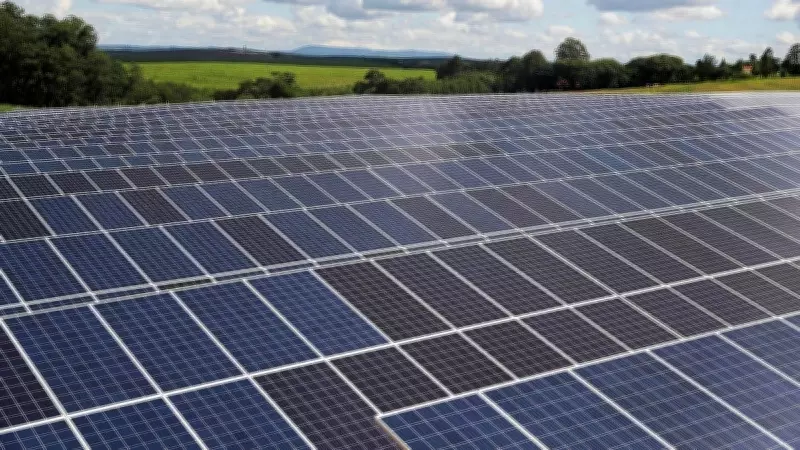
Solar-Powered Irrigation Offers Massive Financial Relief for Indian States
A groundbreaking new report has highlighted the immense potential of solar-powered irrigation systems to transform India's agricultural landscape. The study indicates that adopting this technology could save state governments thousands of crores of rupees annually by significantly cutting down on agricultural power subsidies.
Key Benefits of Solar Irrigation Systems
The report outlines several critical advantages that make solar irrigation a compelling solution for India's farming sector. First and foremost, it provides a reliable source of daytime electricity, which is essential for irrigation needs. This reliability ensures that farmers are not dependent on erratic grid power, leading to more consistent crop yields.
Beyond just power reliability, the financial implications are profound. By reducing the need for subsidized grid electricity, states can reallocate funds to other developmental projects. This shift not only eases fiscal burdens but also promotes sustainable energy practices.

Economic and Social Impact on Farmers
The adoption of solar irrigation is projected to have a direct positive impact on farmers' livelihoods. Increased income is a major benefit, as farmers can save on electricity costs and potentially sell excess solar power back to the grid. This additional revenue stream can significantly enhance their economic stability.
Moreover, the report emphasizes the job creation potential associated with the solar energy sector. From manufacturing and installation to maintenance and support services, the expansion of solar irrigation systems is expected to generate numerous employment opportunities, particularly in rural areas.
Challenges and Future Outlook
While the benefits are clear, the report also acknowledges challenges such as initial investment costs and the need for supportive policies. However, with government initiatives and private sector involvement, these hurdles can be overcome. The long-term savings and environmental benefits make solar irrigation a viable and necessary step forward for Indian agriculture.
In conclusion, the report serves as a crucial call to action for policymakers and stakeholders to prioritize solar irrigation. By doing so, India can achieve substantial economic savings, empower its farmers, and move towards a greener, more sustainable future.