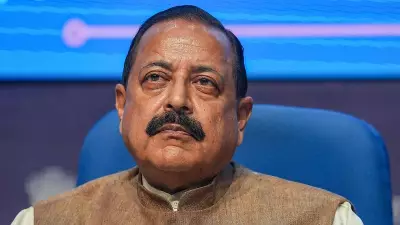
In a significant update on India's agricultural modernization efforts, Union Minister of State for Chemicals and Fertilizers Anupriya Patel provided comprehensive data on the adoption of nano fertilizers across the nation. Speaking in Bathinda on Tuesday, the minister disclosed that since their introduction in February 2021, cumulative sales have reached impressive figures: 11.85 crore bottles (500 ml equivalent) of Nano Urea and 3.53 crore bottles (500 ml equivalent) of Nano DAP, as recorded up to December 31, 2025.
Scientific Application Guidelines and Yield Benefits
The minister's written reply in the Rajya Sabha emphasized crucial application protocols based on studies conducted by the National Productivity Council (NPC). According to the findings, Nano Urea should be utilized exclusively as a foliar application, meaning it must be sprayed directly onto plant leaves as a liquid fertilizer. Importantly, the basal dose—the foundational fertilizer applied to soil—must continue to be supplied through conventional urea.
This combined approach has demonstrated substantial agricultural benefits. When farmers apply conventional urea as the basal dose and supplement with Nano Urea as a foliar spray, crop yields have shown a measurable increase ranging from 1.65% to 14.82%. This dual-method strategy represents a balanced integration of traditional and innovative fertilization techniques.

Addressing Farmer Concerns and Market Practices
The minister's statement also addressed persistent complaints from Punjab's agricultural community. Farmers in the region have reported instances where fertilizer dealers allegedly compelled them to purchase Nano Urea and Nano DAP alongside conventional DAP and urea, despite unsatisfactory results in some cases. This revelation highlights the need for improved market regulation and farmer education regarding proper nano fertilizer usage.
PM-PRANAM: A National Initiative for Sustainable Agriculture
In her parliamentary response, Minister Patel elaborated on the government's broader sustainable agriculture framework through the PM-PRANAM scheme. The Cabinet Committee on Economic Affairs (CCEA) approved this comprehensive program on June 28, 2023, under the full title "PM Programme for Restoration, Awareness Generation, Nourishment, and Amelioration of Mother-Earth."
This nationwide initiative aims to catalyze a mass movement across all states and union territories, focusing on multiple pillars of agricultural sustainability:
- Preservation of soil health and ecological balance
- Promotion of sustainable and balanced fertilizer use
- Adoption of alternative fertilizers and organic farming practices
- Implementation of resource conservation technologies
Financial Incentives and State Participation
Under the PM-PRANAM scheme's innovative structure, all Indian states and union territories qualify for participation. The program includes a provision to provide financial incentives equivalent to 50% of the fertilizer subsidy saved when states reduce their consumption of chemical fertilizers—including urea, DAP, NPK, and MOP—compared to their average consumption over the previous three years.
This incentive mechanism directly responds to questions raised by Rajya Sabha member Sumitra Balmik, who inquired about state responses to the scheme, the adoption impact of nano fertilizers on reducing transportation carbon footprints, and potential roadmaps for converting closed fertilizer units into green ammonia production hubs.
The comprehensive data and policy details presented by Minister Patel underscore the government's multifaceted approach to transforming India's agricultural sector through technological innovation, environmental stewardship, and farmer-centric policies.