In a significant push to bolster rural livelihoods, Krishi Vigyan Kendras (KVKs) across India orchestrated comprehensive awareness programs on January 3 and January 4. The nationwide drive aimed to strengthen employment opportunities and consolidate income sources in the countryside by focusing on a pivotal new government initiative.
Spreading the Word on Viksit Bharat-GRAM G
The core objective of these two-day events was to disseminate crucial information about the Government of India's recently launched 'Viksit Bharat - G RAM G' scheme, formally known as the Viksit Bharat-Guarantee for Rozgar and Ajeevika Mission (Gramin). Director Raghavendra Singh of ICAR's ATARI Zone 3 in Kanpur emphasized that the program was designed to educate farmers and rural youth about the scheme's benefits and how to access them.
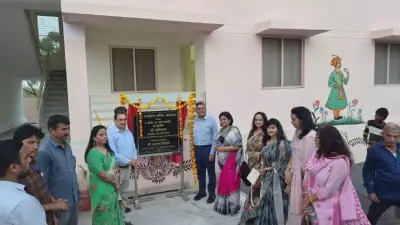
In Uttar Pradesh alone, the initiative saw active participation from a diverse group including farmers, villagers, village heads (sarpanchs), and agricultural scientists. The KVKs employed a multi-pronged approach to ensure the message reached the grassroots level effectively.

Grassroots Engagement and Activities
The awareness campaigns were not limited to lecture halls. KVK scientists organized a series of interactive activities to foster direct dialogue. These included:
- Integrating mission-related details into existing training programs for farmers.
- Conducting targeted seminars at the village level.
- Holding discussions with public representatives and members associated with gram panchayats.
Through these engagements, participants received detailed information on various aspects of rural development and the specific employment opportunities the Viksit Bharat-GRAM G mission promises to unlock. Speakers at these events highlighted the critical role of panchayats in driving local development, the urgent need for job creation, and the power of collective community participation.
A Multi-Channel Awareness Blitz
To maximize reach, the campaign leveraged both traditional and modern communication tools. Alongside the physical seminars and dialogues, extensive publicity was carried out through:
- Social media platforms.
- Informative printed material, pamphlets, and posters.
- Wall writings in prominent village locations.
This blended strategy ensured that the message penetrated deep into rural areas, aiming to bring the scheme's benefits to the doorsteps of the maximum number of people.
Towards Self-Reliance and Rural Empowerment
Director Raghavendra Singh clarified that the goal of these programs extended beyond mere information dissemination. The fundamental aim was to transform villagers into active partners in their journey toward self-reliance. By understanding the mission, rural families can learn how it will aid in securing employment for more days in a year, diversifying income sources, and developing vital village infrastructure.
The initiative was met with positive feedback from the community. Villagers present at the events appreciated the effort, calling it a constructive and necessary step towards addressing employment challenges and fostering holistic rural development. This nationwide exercise by the KVK network marks a crucial step in bridging the information gap and empowering India's rural heartland with the tools and knowledge for a more prosperous future.