Gujarat Government Greenlights Rs 3,440 Crore Road Resurfacing Initiative
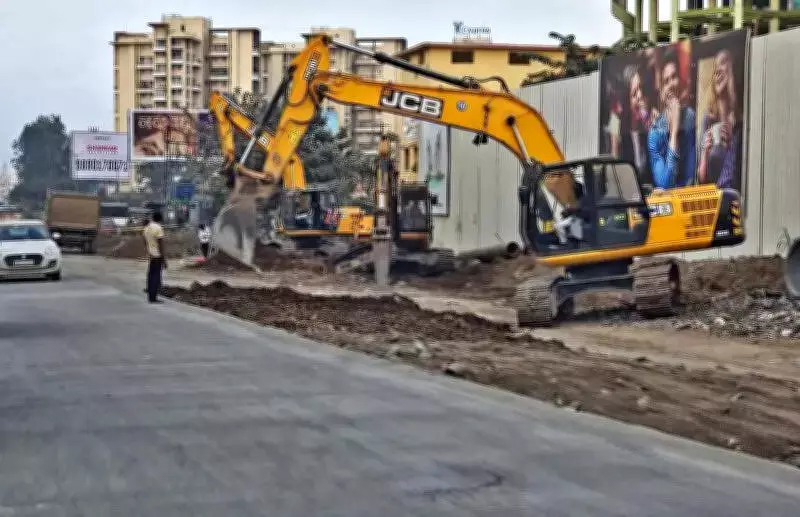
In a significant move to bolster rural infrastructure, the Gujarat government announced on Wednesday the approval of a massive Rs 3,440 crore fund dedicated to road resurfacing and quality enhancement projects. This initiative aims to significantly improve connectivity in remote villages across the state, addressing long-standing transportation challenges.
Extensive Coverage and Detailed Plans
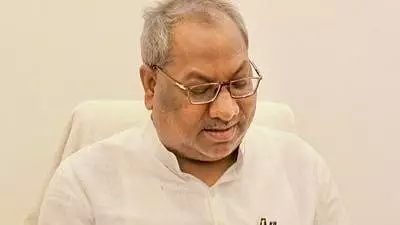
Speaking to reporters in Gandhinagar, government spokesperson Jitu Vaghani revealed that the resurfacing work will encompass approximately 5,700 kilometers of roads. A total of 2,342 individual works have been sanctioned, spanning all 33 districts of Gujarat. This widespread effort is designed to ensure that even the most isolated communities benefit from upgraded road networks.
Innovative Contract Systems for Enhanced Quality
Vaghani emphasized that the government is introducing new, performance-driven contract systems to ensure the longevity and quality of the roadworks. These include:

- Output and Performance-Based Contract (OPRC): Applied to projects valued at over Rs 25 crore, this system involves a 10-year contract period—two years for construction and eight years for maintenance.
- Performance-Based Maintenance Contract (PBMC): For projects ranging from Rs 2 crore to Rs 25 crore, this entails a seven-year contract, with one year allocated for resurfacing and six years for ongoing maintenance.
Shift to Quality-Focused Payments and Comprehensive Maintenance
Under these new frameworks, contractors will receive payments based on the quality and performance of the roads, rather than merely the quantity of work completed. This marks a pivotal shift towards accountability and excellence in infrastructure development. Maintenance responsibilities have been expanded to include not just the road surface but also critical elements such as drainage systems, road furniture, signboards, markings, and stones, ensuring holistic upkeep.
Digital Monitoring for Transparency
To further enhance the project's integrity, Vaghani highlighted the implementation of digital monitoring and performance indicators. This approach is expected to bring greater transparency and accountability to the entire process, allowing for real-time tracking of progress and quality standards. The government's focus on modern systems underscores its commitment to sustainable and efficient rural development.