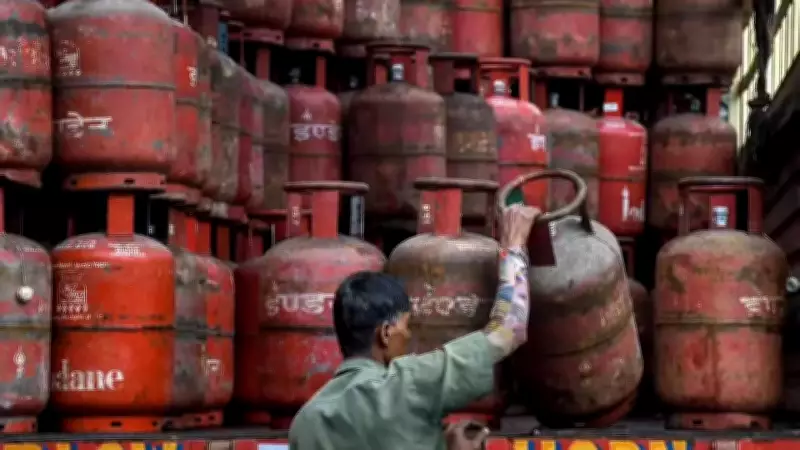
Centre Enhances Gas Supply to States and Union Territories
The Government of India has taken a significant step to bolster energy availability by increasing gas allocation to states and Union Territories. According to a recent communication from the Ministry of Petroleum and Natural Gas, the allocation will now reach 50% of pre-crisis levels, marking a substantial improvement in supply.
Implementation Timeline and Additional Allocation
Effective from March 23, 2026, an additional 20% gas supply will be implemented, building upon previous allocations. This move is designed to provide sustained support until further notifications are issued, ensuring stability in key sectors.
In a formal letter addressed to all State and UT Chief Secretaries, Petroleum Secretary Dr. Neeraj Mittal outlined the strategic importance of this enhancement. The initiative aims to fortify sectors that are critical to national food security and public welfare, addressing ongoing challenges in the energy landscape.

Priority Sectors for Enhanced Allocation
The additional 20% allocation will be directed on a priority basis to specific industries and services essential for daily life and economic activity. These include:
- Restaurants, dhabas, and hotels
- Industrial canteens and food processing units
- Dairy production facilities
- Subsidized canteens and outlets operated by state governments or local bodies
- Community kitchens and food distribution programs
- 5kg FTL (Free To Liquefy) provisions for migrant laborers
The communication emphasizes stringent measures to prevent diversion of resources, ensuring that the enhanced supply reaches its intended beneficiaries without compromise. This focus on accountability underscores the government's commitment to efficient resource management.
Broader Implications for Economic Stability
This policy adjustment is expected to have a positive ripple effect across the economy. By prioritizing sectors linked to food supply and public welfare, the Centre aims to mitigate inflationary pressures and support vulnerable populations. The move aligns with broader efforts to enhance energy security and promote sustainable development.
Industry experts view this as a timely intervention, given the global energy volatility and domestic demands. The increased allocation is likely to boost operational efficiency in food-related industries, contributing to overall economic resilience.
The Ministry's proactive approach reflects a nuanced understanding of sectoral needs, balancing immediate relief with long-term strategic planning. As implementation proceeds, monitoring mechanisms will be crucial to assess impact and ensure equitable distribution.