Delhi Emerges as India's Undisputed Electric Bus Capital
In a landmark achievement for sustainable urban mobility, Delhi has firmly established itself as India's electric bus capital, boasting the largest operational fleet of e-buses in the country. This strategic move underscores the city's commitment to combating severe air pollution and transitioning towards greener public transportation systems.
Record-Breaking Fleet and Expansion Plans
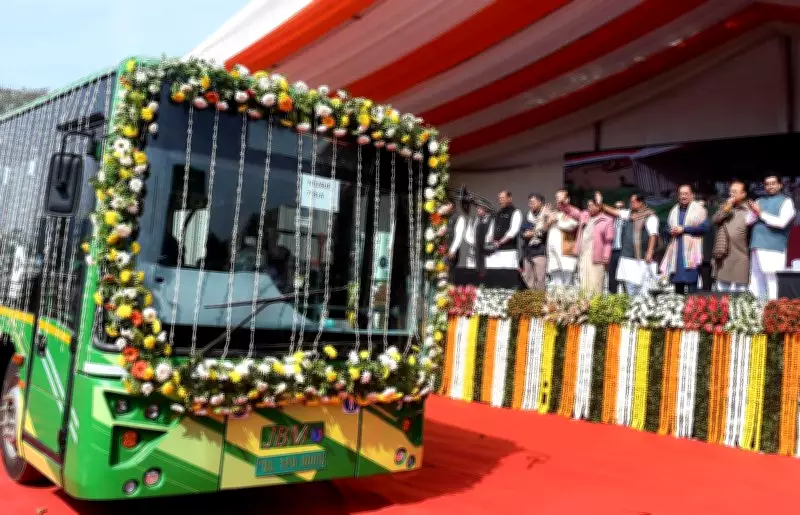
Currently, Delhi operates an impressive fleet of 1,650 electric buses, a number that significantly outpaces other major Indian cities. The Delhi Transport Corporation (DTC) and the Delhi Integrated Multi-Modal Transit System (DIMTS) jointly manage this extensive network, which serves millions of commuters daily across the National Capital Region.
Looking ahead, the city has ambitious plans to further solidify its leadership position. Authorities aim to add 2,500 more electric buses to the fleet by 2025. This expansion is part of a broader initiative to replace aging diesel buses and reduce the capital's carbon footprint, aligning with national goals for cleaner energy in transport.

Environmental and Health Benefits
The shift to electric buses is driven by critical environmental concerns. Delhi, notorious for its hazardous air quality levels, particularly during winter months, views e-buses as a vital tool in improving public health. By eliminating tailpipe emissions, these vehicles help cut down on pollutants like particulate matter (PM2.5 and PM10) and nitrogen oxides, which are linked to respiratory diseases and other health issues.
Experts highlight that the widespread adoption of electric buses could lead to a measurable reduction in air pollution, contributing to cleaner air and a healthier population. This initiative also supports India's commitments under international climate agreements to lower greenhouse gas emissions.
Government Initiatives and Challenges
The success of Delhi's e-bus program is backed by robust government policies and funding. Key initiatives include:
- Subsidies and incentives under the FAME-II scheme to make e-buses more affordable.
- Development of charging infrastructure across depots and key transit points.
- Collaborations with private operators to ensure efficient fleet management and maintenance.
However, challenges remain, such as the high upfront costs of electric buses and the need for continuous investment in charging stations. Despite these hurdles, Delhi's progress sets a benchmark for other Indian cities, encouraging them to accelerate their own electric vehicle transitions.
Impact on Urban Mobility and Future Outlook
Delhi's emergence as the e-bus capital is transforming urban mobility by offering a reliable, eco-friendly alternative to conventional transport. The expanded fleet is expected to enhance connectivity, reduce traffic congestion, and provide a smoother commute for residents.
As Delhi continues to lead by example, this initiative is poised to inspire similar efforts nationwide, paving the way for a more sustainable and pollution-free future in Indian cities.