Delhi CM Rekha Gupta Inaugurates 51 New Ayushman Arogya Mandirs in Fatehpur Beri
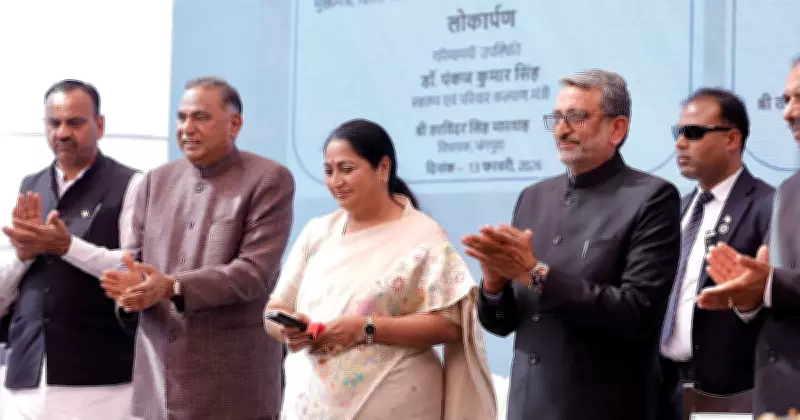
In a significant boost to primary healthcare infrastructure, Delhi Chief Minister Rekha Gupta officially inaugurated 51 new Ayushman Arogya Mandirs in the Fatehpur Beri area. This event underscores the government's accelerated efforts to enhance medical accessibility for residents across the national capital.
Rapid Expansion: 370 Arogya Mandirs Established in Just 8 Months
The inauguration is part of a broader initiative that has seen the establishment of 370 Ayushman Arogya Mandirs within a remarkably short span of eight months. This rapid deployment highlights a new model for primary healthcare delivery in Delhi, aimed at providing comprehensive and timely medical services to underserved communities.
Chief Minister Rekha Gupta emphasized the transformative role of these centers, stating, "Ayushman Arogya Mandirs are not merely treatment centers; they are spaces of trust and dedicated service. Our goal is to ensure that every citizen has access to quality healthcare close to their homes, fostering a healthier and more resilient society."

Development Projects Worth ₹322 Crore Launched in Chhatarpur Constituency
Alongside the healthcare initiatives, CM Rekha Gupta also launched a series of development projects with a total value of ₹322 crore in the Chhatarpur constituency. These projects are expected to significantly improve local infrastructure, including upgrades to roads, water supply systems, and public amenities, thereby enhancing the overall quality of life for residents.
The dual focus on healthcare and infrastructure development reflects the government's holistic approach to urban planning and public welfare. By integrating health services with broader developmental efforts, the administration aims to create sustainable and inclusive growth across Delhi.
Building a Robust Primary Healthcare Network
The expansion of Ayushman Arogya Mandirs is a cornerstone of Delhi's strategy to strengthen its primary healthcare network. Key features of this initiative include:
- Accessibility: Positioning centers in strategic locations to ensure easy reach for all communities.
- Comprehensive Services: Offering a range of medical treatments, preventive care, and health education programs.
- Community Trust: Fostering local engagement to build reliable and patient-centric healthcare environments.
This model not only addresses immediate health needs but also contributes to long-term public health outcomes by promoting early intervention and continuous care.
Future Implications and Broader Impact
The inauguration of these 51 new centers, coupled with the ongoing projects, signals a proactive stance in tackling urban health challenges. As Delhi continues to grow, such initiatives are crucial for managing population health and supporting economic productivity.
Observers note that the success of this rapid rollout could serve as a blueprint for other regions aiming to enhance their primary healthcare systems. The integration of healthcare with infrastructure development further exemplifies a multi-sectoral approach to governance, potentially setting new standards for public service delivery in India.
With these efforts, the Delhi government reaffirms its commitment to creating a healthier, more developed capital city, where citizens can thrive in a supportive and well-serviced environment.