Chandigarh Government Houses Reach Net Zero Power Consumption Milestone
In a landmark achievement for urban sustainability, approximately 1,400 government houses in Chandigarh have successfully attained net zero status in power consumption. This initiative marks a significant step forward in reducing the city's carbon footprint and promoting renewable energy adoption.
Details of the Net Zero Achievement
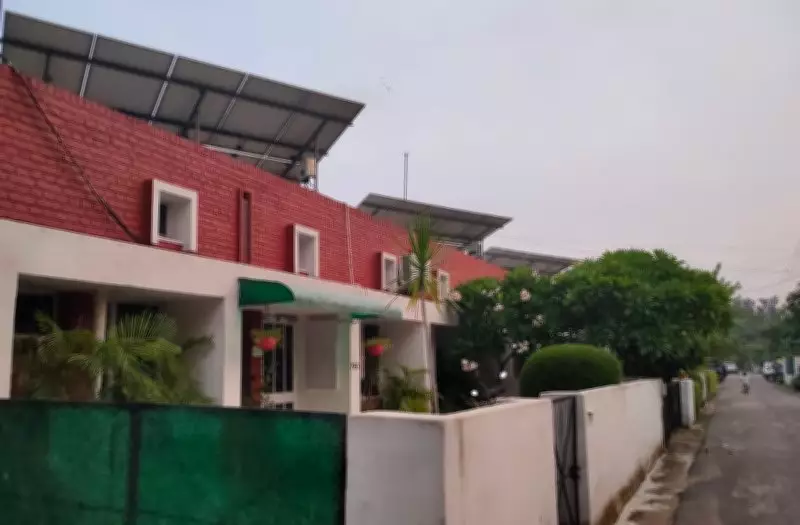
The project involved retrofitting these residential units with advanced solar power systems and energy-efficient technologies. By generating their own electricity through rooftop solar panels, these houses now produce as much energy as they consume over a year, effectively eliminating their dependence on the conventional power grid.
Key features of the initiative include:

- Installation of high-capacity solar panels on rooftops to harness solar energy efficiently.
- Implementation of energy-saving appliances and LED lighting to minimize electricity usage.
- Integration of smart meters to monitor real-time energy production and consumption.
Impact on Energy Sustainability and Environment
This achievement is expected to have a profound impact on Chandigarh's energy landscape. By transitioning these houses to net zero, the city has significantly reduced its reliance on fossil fuel-based power, leading to lower greenhouse gas emissions. Estimates suggest that this move could cut carbon emissions by thousands of tons annually, contributing to India's broader climate goals.
The success of this project highlights the potential for scaling similar initiatives across other government and private housing sectors in the region.
Government's Role and Future Plans
The Chandigarh administration played a pivotal role in driving this initiative, providing subsidies and technical support to facilitate the transition. Officials have expressed plans to expand the net zero model to more residential and commercial buildings in the city, aiming to make Chandigarh a leader in sustainable urban development.
Looking ahead, the government is exploring collaborations with renewable energy firms to enhance infrastructure and ensure the long-term viability of such projects. This effort aligns with national policies promoting clean energy and smart cities.
In conclusion, the attainment of net zero power consumption by 1,400 government houses in Chandigarh sets a commendable precedent for other cities in India. It demonstrates how targeted investments in renewable energy can yield substantial environmental and economic benefits, paving the way for a greener future.