Centre Pushes PNG Adoption: LPG Supply May Be Halted in Areas With Pipeline Networks
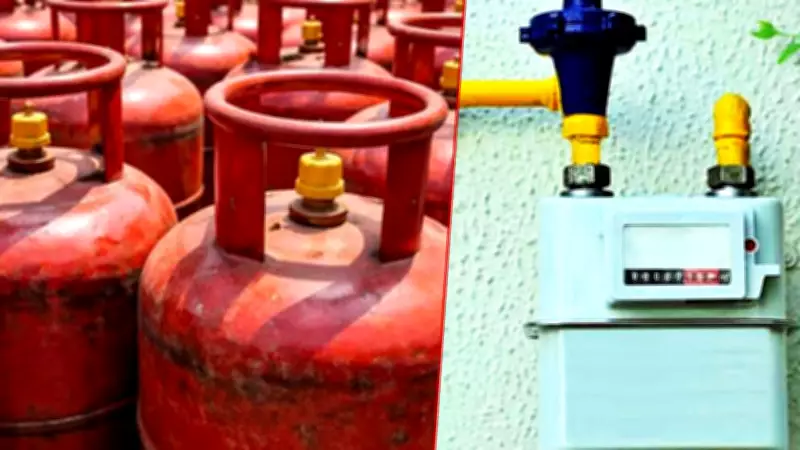
The Central government has formally launched a comprehensive policy initiative designed to aggressively boost the adoption and expansion of piped natural gas (PNG) networks across India. A key component of this strategy involves actively curbing and potentially stopping the supply of liquefied petroleum gas (LPG) cylinders to households and businesses located in geographical areas where functional PNG infrastructure is already available or is being rapidly developed.
A Strategic Response to Global Energy Disruptions
This significant policy shift arrives at a critical juncture, amid ongoing global oil supply chain disruptions and market volatility primarily fueled by the protracted crisis in the Middle East. By promoting PNG as a primary domestic and commercial fuel, the government aims to position it as a more reliable, continuous, and secure alternative to traditional LPG. This transition promises to eliminate the frequent logistical hassles, safety concerns, and refill cycles associated with cylinder-based LPG systems, offering users a seamless, piped supply directly to their premises.
Legal Framework and Procedural Reforms
The policy move has been formalized and given legal teeth through the issuance of the Natural Gas and Petroleum Products Distribution Order, 2026. This order is promulgated under the authoritative provisions of the Essential Commodities Act, 1955. Beyond the supply mandate, the order introduces a suite of procedural reforms aimed at accelerating PNG pipeline project development nationwide.

Key reforms include:
- Time-bound clearances for pipeline projects to reduce bureaucratic delays.
- Implementation of standardised charges and tariffs to ensure transparency and predictability for consumers and operators.
- Simplified approval procedures to enhance the ease of doing business in the gas distribution sector.
Turning Crisis into Opportunity for Energy Security
Commenting on these sweeping reforms, Oil Secretary Neeraj Mittal articulated the government's vision. He characterized the policy as a strategic maneuver to transform the current global energy crisis into a tangible opportunity for India. The overarching goals are multifaceted: strengthening national energy security by diversifying fuel sources, reducing dependency on volatile international LPG markets, and significantly improving the ease of doing business for energy sector enterprises. This initiative is poised to reshape India's domestic energy consumption landscape, prioritizing pipeline-based natural gas for long-term sustainability and reliability.