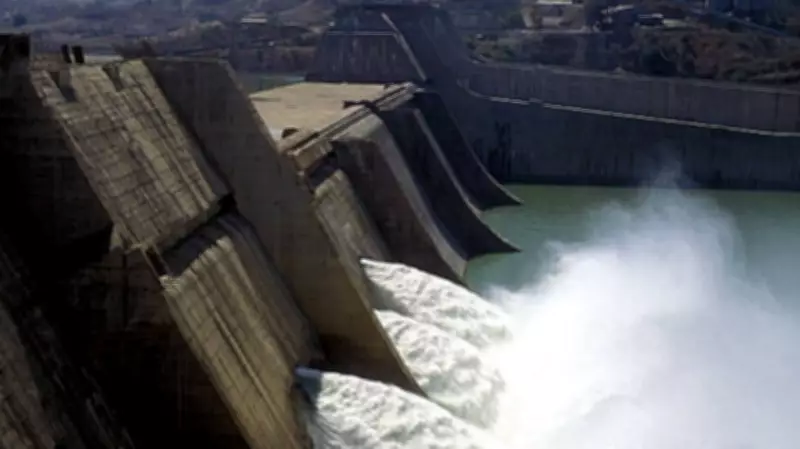
Cabinet Approves Massive Rs 40,000 Crore Investment for Kamala and Kalai-II Hydro Projects in Arunachal Pradesh
In a significant move to boost renewable energy infrastructure, the Union Cabinet has given its approval for a substantial investment of Rs 40,000 crore dedicated to the development of the Kamala and Kalai-II hydroelectric projects located in the northeastern state of Arunachal Pradesh. This decision, announced on April 8, 2026, marks a pivotal step in India's efforts to enhance its clean energy capacity and address regional power demands.
Annual Electricity Generation and Key Benefits
Upon completion, these hydro projects are projected to generate an impressive approximately 6,870 million units of electricity annually. This output is expected to play a crucial role in supporting peak demand management across the nation, ensuring a stable and reliable power supply during high-usage periods.
Additionally, the projects will contribute significantly to national grid balancing, helping to maintain the equilibrium of the electrical grid by providing a steady source of renewable energy that can be adjusted to match consumption patterns. This is particularly important as India continues to integrate more variable renewable sources like solar and wind into its energy mix.

Flood Moderation and Environmental Impact
Beyond electricity generation, the Kamala and Kalai-II projects are designed to offer substantial benefits in terms of flood moderation in the Brahmaputra basin. By regulating water flow, these hydroelectric facilities can help mitigate the risks of flooding in downstream areas, protecting communities and agricultural lands from potential damage. This dual-purpose approach underscores the projects' role in not only powering the nation but also enhancing regional resilience to natural disasters.
The approval aligns with India's broader goals of increasing its hydropower capacity and reducing reliance on fossil fuels. Arunachal Pradesh, with its abundant water resources, is poised to become a key hub for hydroelectric development, contributing to the country's energy security and sustainability targets.
As the projects move forward, they are expected to create numerous employment opportunities and stimulate economic growth in the region, further solidifying their importance in India's infrastructure and energy landscape.