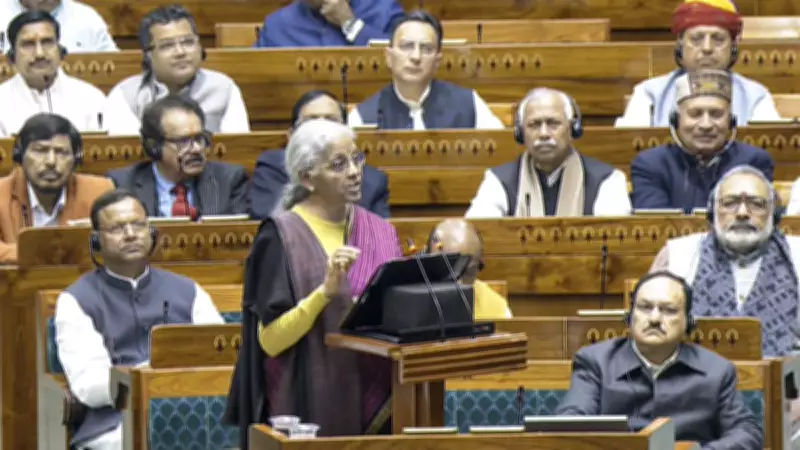
Budget 2026 Brings Relief for Mobile Phone and EV Buyers with Extended Customs Duty Exemptions
The Union Budget for the fiscal year 2026-27, presented by the government, has introduced a significant measure aimed at making technology and sustainable transportation more affordable for Indian consumers. In a move that is expected to have a direct impact on household budgets and industrial growth, the budget extends customs duty exemptions on key components, specifically mobile phone batteries and parts used in electric vehicles (EVs). This strategic decision is designed to lower production costs for manufacturers, which in turn is anticipated to translate into reduced prices for end-users.
Focus on Mobile Phone Batteries to Enhance Affordability
One of the standout announcements in Budget 2026 pertains to the extension of customs duty exemptions on mobile phone batteries. This policy continuation is a crucial step in supporting the domestic smartphone industry, which has been a major driver of India's economic and technological advancement. By maintaining these exemptions, the government aims to keep the cost of manufacturing mobile devices competitive, thereby preventing price hikes that could burden consumers. Industry experts suggest that this measure will not only make smartphones more accessible but also encourage local production and assembly, aligning with the broader Make in India initiative. As a result, consumers can look forward to more affordable mobile phones without compromising on quality or features.
Electric Vehicles to Become More Accessible
In addition to mobile phone batteries, Budget 2026 extends customs duty exemptions on various components essential for electric vehicles. This includes critical parts such as batteries, motors, and electronic control units, which are often imported. By reducing the import duties on these items, the government seeks to lower the overall cost of EVs, making them a more viable option for a larger segment of the population. This move is expected to accelerate the adoption of electric mobility in India, contributing to environmental sustainability and reducing dependence on fossil fuels. Moreover, it supports the domestic EV manufacturing sector by enabling companies to source components at lower costs, potentially leading to increased production and innovation in this rapidly growing industry.
Broader Implications for the Economy and Consumers
The extension of customs duty exemptions in Budget 2026 is not just about immediate price reductions; it has far-reaching implications for India's economic landscape. By fostering a more cost-effective environment for manufacturing, the policy encourages investment in local production facilities, which can create jobs and boost technological self-reliance. For consumers, the benefits are twofold: they gain access to cheaper mobile phones and EVs, while also contributing to a greener economy. This aligns with the government's vision of promoting digital inclusion and sustainable development. As these measures take effect, market analysts predict a positive ripple effect across related sectors, including electronics, automotive, and renewable energy.
In summary, Budget 2026's focus on extending customs duty exemptions for mobile phone batteries and EV components marks a proactive step towards enhancing affordability and supporting domestic industries. This policy is poised to make a tangible difference in the lives of Indian consumers, driving growth in key technological and sustainable sectors.