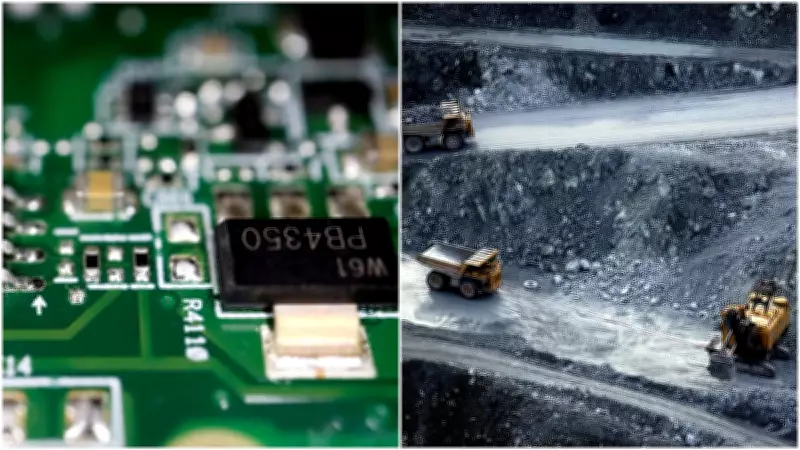
Union Budget 2026 Unveils Strategic Push for Electronics and Minerals
The Union Budget for the fiscal year 2026, presented by Finance Minister Nirmala Sitharaman, has introduced a comprehensive strategy to strengthen India's position in key technological sectors. This budget session has placed a strong emphasis on boosting domestic manufacturing capabilities, with a particular focus on electronics, rare earth minerals, and semiconductor production. The proposals aim to reduce import dependency and foster self-reliance in critical areas of the economy.
Establishment of Rare Earth Corridors in Mineral-Rich States
One of the standout announcements in the budget is the proposal to establish dedicated 'rare earth corridors' in several mineral-rich states across India. These corridors are planned for Tamil Nadu, Andhra Pradesh, Odisha, and Kerala, which are known for their abundant mineral resources. The initiative is designed to streamline the extraction, processing, and utilization of rare earth elements, which are essential for various high-tech applications, including electronics, renewable energy, and defense technologies.
The creation of these corridors is expected to enhance infrastructure, promote investment, and create employment opportunities in these regions. By focusing on states with significant mineral deposits, the government aims to optimize resource management and support the growth of downstream industries that rely on rare earth materials.

Big Push for Electronics and Semiconductor Manufacturing
In addition to the rare earth corridors, the budget includes a substantial push for the electronics and semiconductor sectors. The proposals outline incentives and support mechanisms to attract both domestic and foreign investments in electronics manufacturing. This move is aligned with India's broader goals of becoming a global hub for electronics production and reducing its reliance on imports.
The semiconductor industry, in particular, has received special attention, with plans to boost domestic chip manufacturing capabilities. This is crucial for supporting the growing demand for semiconductors in various sectors, such as automotive, telecommunications, and consumer electronics. The budget's focus on semiconductors is seen as a strategic step to enhance India's technological sovereignty and competitiveness in the global market.
Implications for India's Economic and Technological Landscape
The initiatives proposed in the Union Budget 2026 are expected to have far-reaching implications for India's economic and technological landscape. By investing in rare earth corridors and boosting electronics and semiconductor manufacturing, the government aims to create a robust ecosystem that supports innovation, job creation, and sustainable growth.
These measures are also likely to contribute to India's efforts in achieving its climate goals, as rare earth elements and advanced electronics play a key role in renewable energy technologies. Overall, the budget reflects a forward-looking approach to harnessing India's mineral wealth and technological potential for long-term development.