

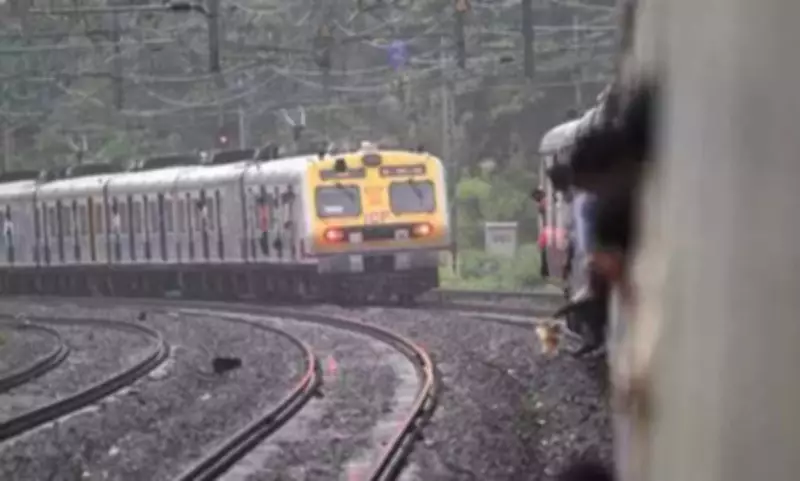
Western Railway to Enhance Mumbai Suburban Capacity with 15-Car Train Conversions
In a significant move to address overcrowding and improve commuter convenience, Western Railway (WR) has announced the conversion of 16 existing 12-car suburban services into 15-car trains. This transformation is scheduled to commence on March 19, strategically timed to coincide with the festive occasion of Gudi Padwa, marking a new beginning for Mumbai's rail network.
Boosting Capacity and Alleviating Crowding
The conversion initiative will increase the number of 15-car services from 211 to 227, while the total count of suburban services will remain steady at 1,414. Officials have highlighted that this upgrade will enhance carrying capacity by nearly 20%, providing much-needed relief to daily commuters on the heavily trafficked Churchgate–Virar–Dahanu Road corridor.
Of the 16 upgraded services, eight will operate during peak hours, with four scheduled for the morning rush and four for the evening rush. This targeted approach aims to maximize efficiency during the busiest times, ensuring smoother travel experiences for passengers.

Strategic Response to Rising Passenger Demand
Vineet Abhishek, WR's chief public relations officer, emphasized that this step is part of ongoing efforts to reduce overcrowding and improve commuter convenience amid escalating passenger demand. "The conversion of 12-car rakes into 15-car trains is a proactive measure to enhance capacity and ease the daily commute for millions," he stated.
Western Railway has been consistently focusing on increasing capacity alongside infrastructure upgrades to manage the growing suburban traffic in Mumbai. The latest augmentation is expected to provide additional relief to daily passengers, reinforcing the suburban rail system as the city's lifeline.
Long-Term Infrastructure and Commuter Benefits
This move underscores WR's commitment to modernizing and optimizing Mumbai's suburban rail network. By expanding train lengths, the railway aims to not only address immediate crowding issues but also lay the groundwork for future enhancements in commuter services.
The timing with Gudi Padwa adds a symbolic touch, aligning the upgrade with a period of renewal and celebration. As Mumbai continues to grapple with urban transportation challenges, such initiatives are crucial for sustaining the efficiency and reliability of its vital rail corridors.






