West Bengal Budget Allocates Rs 36,000 Crore to Annapurna Yojana
The West Bengal government, led by the Bharatiya Janata Party, has allocated Rs 36,000 crore to the Annapurna Yojana in its first budget presented on June 22, 2026. This allocation marks a significant portion of the welfare expenditure, but the number of beneficiaries under the scheme is set to drop from 2.4 crore to 1 crore.
Fiscal Consolidation Drive
The budget aims to improve the state's fiscal health by rationalizing welfare schemes. According to Finance Minister Chandrima Bhattacharya, the reduction in beneficiaries is part of a broader strategy to target subsidies more effectively and reduce fiscal deficit. The state's fiscal deficit is projected to be 3.5% of GSDP, down from 4.2% in the previous year.
Impact on Beneficiaries
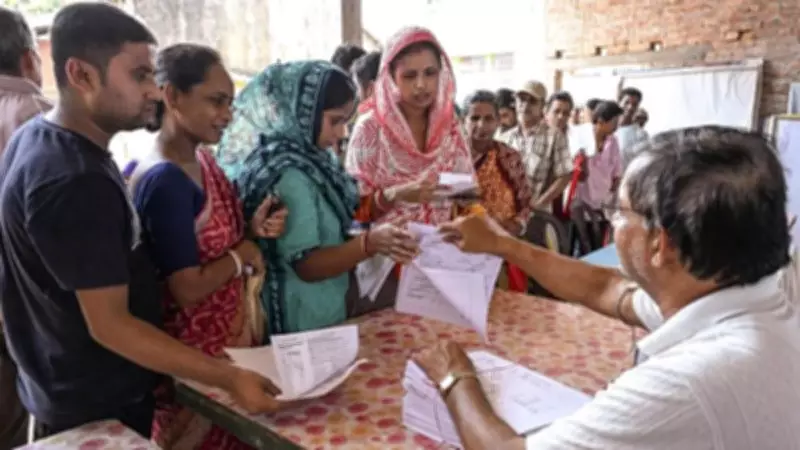
The Annapurna Yojana provides subsidized food grains to low-income families. With the beneficiary count cut by more than half, critics have raised concerns about food security for the excluded households. However, the government assured that only ineligible or duplicate beneficiaries are being removed after a comprehensive review.

"We have used digital data verification to weed out bogus beneficiaries. This will ensure that the truly needy receive the benefits," said Bhattacharya.
Other Budget Highlights
The budget also includes increased allocation for infrastructure, healthcare, and education. A new scheme, "Swasthya Sathi 2.0", has been launched with an outlay of Rs 5,000 crore to provide health insurance up to Rs 10 lakh per family. Additionally, Rs 2,000 crore has been set aside for building new schools and upgrading existing ones.
Reactions and Criticism
Opposition parties, including the Trinamool Congress, criticized the budget as anti-poor. "The BJP government is depriving 1.4 crore people of food security. This is a direct attack on the poor," said TMC leader Kunal Ghosh.
However, the ruling party defended the move, stating that the savings from the Annapurna Yojana will be redirected to other development projects. The budget also proposes a 15% increase in capital expenditure to boost economic growth.