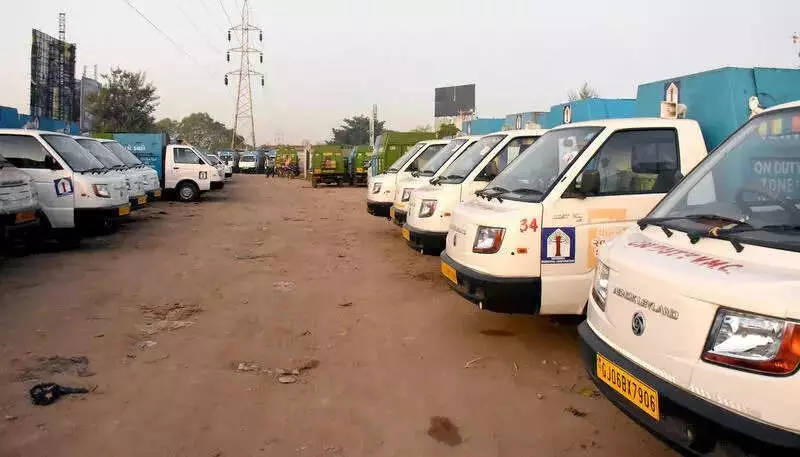
A recent incident in Vadodara has highlighted issues of resource misuse in civic operations, after it was discovered that a private contractor was using a municipal ward office's power supply to charge electric garbage collection vehicles.
Citizen Alert Uncovers Unauthorised Setup
The controversy came to light on Sunday when an observant citizen noticed a line of electric vehicles parked near the Ward 4 office. Upon closer inspection, it was revealed that these were not ordinary vehicles but electric rickshaws modified into garbage collection vans, operated by a contractor hired by the Vadodara Municipal Corporation (VMC).
Further investigation exposed that an electricity connection had been drawn directly from the ward office building. A dedicated box containing switching gear and an electricity meter was installed on this line, creating an unofficial charging station for the contractor's fleet.

Swift Action and Official Response
The matter was promptly taken up by local representatives, including Ashish Joshi, the municipal councillor from Ward 4. Following the raised concerns, the VMC administration directed the contractor to dismantle the charging arrangement immediately.
A VMC official explained the contractor's position, stating that the contractor had only recently begun operations and was still in the process of establishing his own dedicated charging station. To ensure the continuity of door-to-door garbage collection services, the contractor had temporarily set up the charging point at the ward office.
The official clarified that as soon as the unauthorised use was identified, instructions were given to remove the infrastructure. The contractor has since made alternative arrangements for charging the electric vehicles. Notably, the official confirmed that no formal punitive action has been initiated against the contractor for this incident.
Infrastructure Remains Partially Intact
While the electricity meter was swiftly removed from the installed box following the order, reports indicate that other components, such as circuit breaker boards, were left in place inside the box. This partial removal has left some questions unanswered regarding the permanence of the initial setup and the oversight mechanisms for such civic contracts.
This episode raises important questions about the protocols for public resource usage by private entities engaged in civic work and the monitoring systems required to prevent such unauthorised use. It also underscores the role of vigilant citizens in bringing such issues to the fore.