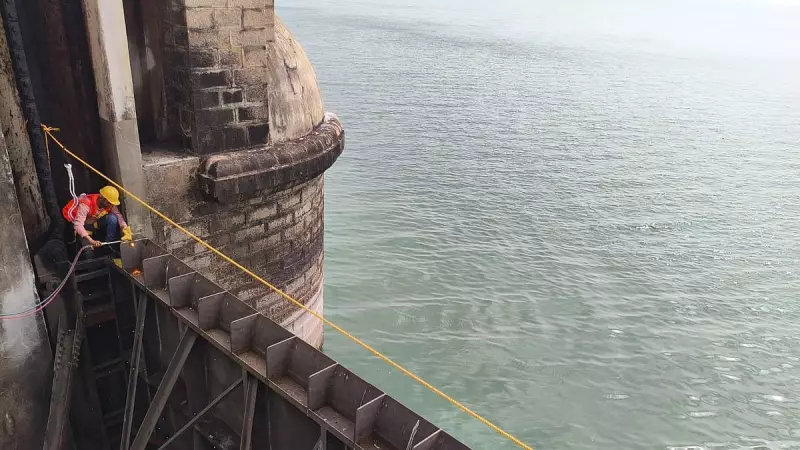
The long-awaited and critical refurbishment of a major irrigation and hydroelectric structure in Karnataka has officially commenced. Authorities have set in motion the extensive process to replace the crest gates of the historic Tungabhadra dam, a vital water resource for the region.
Project Status and Timelines
According to officials from the Tungabhadra Board, the executive body managing the dam, significant progress has already been made on the ground. A total of 15 new crest gates are ready and awaiting installation at the dam site. This marks a pivotal first phase in the overhaul of the dam's discharge mechanism.
The work, however, is part of a larger procurement plan. The remaining components for the project are currently in the manufacturing pipeline. Board officials have indicated that the fabrication of the additional 18 gates will be completed within the next three months. This timeline suggests a concerted effort to expedite the entire replacement process to minimize operational disruption.

Importance of the Tungabhadra Dam
The Tungabhadra dam, a joint project between Karnataka and Andhra Pradesh, is a cornerstone for agriculture, drinking water supply, and power generation in the Tungabhadra river basin. Its crest gates are essential for controlling reservoir levels, managing floods, and ensuring the regulated release of water for downstream needs. The replacement of these gates is a crucial maintenance activity to ensure the dam's structural integrity and operational efficiency for the coming decades.
Next Steps and Implications
With the process now initiated, the focus will shift to the logistical planning for the installation of the ready gates and the seamless integration of the new units as they arrive from fabrication. This project is closely monitored by farmers, residents, and industries dependent on the dam's water. Successful and timely completion will bolster water security and management capabilities in the region, supporting Karnataka's agricultural and economic stability.
The announcement, made on December 5, 2025, underscores the government's commitment to maintaining critical infrastructure. Stakeholders will be watching the progress over the next quarter as the board works towards having all 33 new gates ready for deployment.