In a significant move aimed at accelerating power sector reforms and consumer empowerment, the Uttar Pradesh government has announced a massive reduction in the price of smart prepaid electricity meters. The cost for these advanced meters has been slashed by a substantial 50%, making them far more accessible to the common consumer across the state.
A Major Price Cut to Drive Adoption
The decision, spearheaded by the Uttar Pradesh Power Corporation Limited (UPPCL), effectively halves the financial burden on consumers who opt for a smart prepaid meter connection. Previously, the one-time security deposit and installation charges for these meters were a point of consideration for many households. With this aggressive price reduction, the state government aims to remove a critical barrier to adoption.
The policy is designed to incentivize a faster transition from traditional postpaid meters to the modern prepaid system. This transition is a cornerstone of the central government's Revamped Distribution Sector Scheme (RDSS), which focuses on improving the operational and financial efficiency of distribution companies (discoms). By making the meters cheaper, UPPCL expects a surge in applications, leading to wider coverage and the benefits that come with it.

How the New Smart Meter System Benefits Consumers
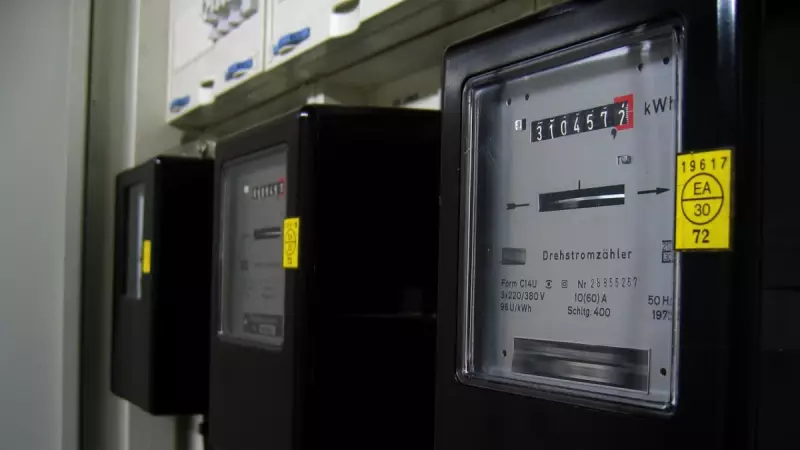
Smart prepaid meters represent a paradigm shift in how consumers interact with their electricity supply. Unlike conventional meters that require manual reading and lead to estimated bills, these digital devices offer real-time monitoring and a prepaid model.
Key advantages for consumers include:
- Complete Control and Transparency: Users can track their electricity consumption in real-time through a mobile app or portal, helping them identify high-usage appliances and manage their power budget effectively.
- Elimination of Billing Surprises: The prepaid system functions like mobile phone recharges. Consumers pay in advance for the electricity they intend to use, putting an end to unexpected monthly bills and disputes over meter readings.
- Convenience of Recharge: Meters can be recharged online from anywhere, using various digital payment platforms, eliminating the need to visit payment centers.
- Improved Power Supply Quality: The data from these meters helps discoms better understand load patterns, leading to more efficient grid management and potentially fewer outages.
For the power distribution companies, the widespread installation of smart prepaid meters is a game-changer. It ensures timely revenue collection, drastically reduces commercial losses like theft and tampering, and minimizes the administrative costs associated with manual billing and collection.
The Road Ahead for Uttar Pradesh's Power Sector
This price cut is not an isolated event but a strategic step within Uttar Pradesh's larger plan to modernize its electricity infrastructure. The state has been actively rolling out smart meters in various cities and towns. By reducing the upfront cost, the government is directly addressing a common consumer concern, thereby fostering greater cooperation and faster implementation of the national scheme.
The move is expected to have a positive ripple effect. Increased adoption will lead to a more financially healthy power distribution system, which is fundamental for sustaining reliable electricity supply and funding future infrastructure upgrades. For the average citizen of Uttar Pradesh, it translates to more control over their electricity expenses, transparent dealings, and a step towards a more digitized and consumer-friendly utility service.
The proactive step by UPPCL, under the guidance of the state government, underscores a commitment to not just infrastructure upgrade but also to consumer-centric governance. By absorbing a part of the cost to ease the consumer's shift, the authorities are betting on long-term gains in operational efficiency and customer satisfaction. This initiative is poised to play a pivotal role in shaping a more robust and transparent power ecosystem in India's most populous state.