Indian Railways Launches Comprehensive Toilet Cleaning Reform for All Passengers
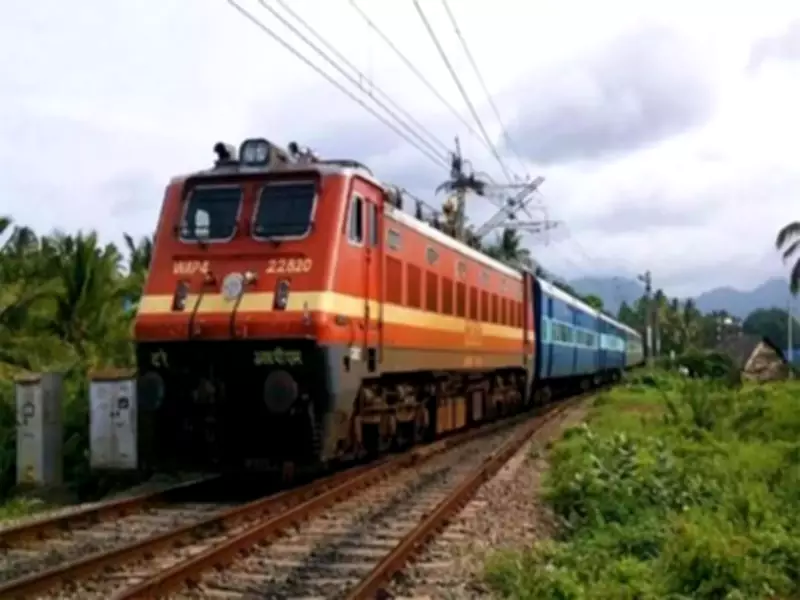
In a significant move to enhance passenger comfort, Indian Railways has announced sweeping reforms targeting one of the most persistent complaints from long-distance travelers: unclean train toilets. The initiative, rolled out on Saturday, marks a departure from current practices by extending regular cleaning services to general and unreserved coaches for the first time.
Ending the Disparity in Coach Maintenance
Railway Minister Ashwini Vaishnaw emphasized that under the existing system, cleaning was predominantly limited to reserved coaches, leaving millions of passengers in general compartments without access to regularly maintained facilities. "We have included general coaches in the new reform," Vaishnaw stated, highlighting the ministry's commitment to equitable service delivery.
Officials revealed that the goal is to ensure toilets in these coaches are cleaned every 1-2 hours, addressing a sharp contrast to the previous approach where cleaning occurred only upon complaint. A senior railway official confirmed that this provision represents a first-time introduction in Indian Railways' operational history.
From Station-Based to Continuous Cleaning Model
The minister also announced the replacement of the earlier "clean train station" concept, which provided thorough cleaning at select stations, with a continuous cleaning model that operates from the train's origin to its destination. This holistic approach will cover toilets, garbage bins, cabin interiors, water availability, and minor electrical or mechanical issues such as faulty lighting throughout the journey.
Vaishnaw detailed that two key reforms have been launched: 'better on-board services' and 'rail-based logistics through Gati Shakti cargo terminals and cargo-related facilities.' These are part of a broader target to implement "52 Reforms in 52 Weeks in 2026," aimed at modernizing railway operations.
Phased Implementation and Technological Integration
The rollout will begin with approximately 80 long-distance trains that experience high passenger patronage, covering 4-5 trains per zone over the next six months. Within three years, the initiative is planned to extend across all trains, ensuring widespread benefits.
To support this, fully technology-enabled professional teams will be engaged under defined Service Level Agreements (SLAs). These agreements will specify cleaning frequencies, with more frequent attention during peak hours. Services will include continuous toilet cleaning, garbage removal, cabinetry cleaning, and linen handling.
Innovatively, AI-generated images of cleaning activities will be monitored and analyzed to ensure compliance and efficiency. Additionally, functions such as linen distribution, collection, and cleaning, previously managed by separate agencies, will now be integrated and awarded to a single entity to streamline operations.
Economic Impact and Cargo Terminal Enhancements
Beyond passenger services, the reforms in the cargo terminal segment are projected to generate around Rs 30,000 crore in additional revenue from new Gati Shakti Cargo Terminals (GCTs) over the next three years. Key enhancements include integrating processing within cargo terminals to transform them into "cargo plus processing" hubs and extending contract periods from 35 to 50 years, fostering long-term investment and efficiency.
This comprehensive initiative underscores Indian Railways' dedication to improving both passenger experience and logistical capabilities, setting a new standard for public transportation in India.