

Pune Water Crisis: Tanker Strike Disrupts Supply to Key Areas, Residents Struggle
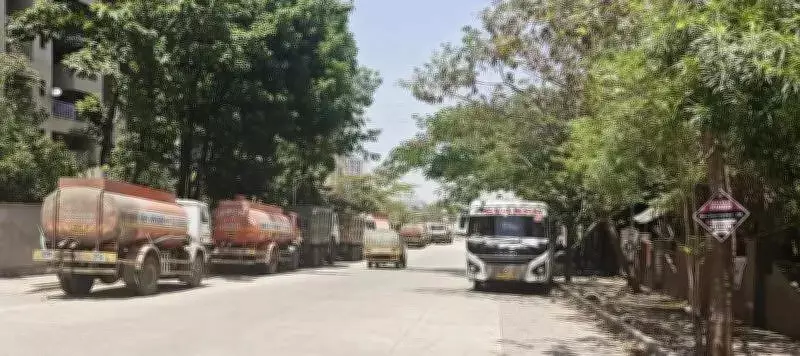
A strike by tanker operators on Tuesday severely disrupted drinking water supply to numerous housing societies in Pune, specifically affecting the Undri, Mohammadwadi, NIBM Road, and Pisoli areas. This unexpected halt left many residents scrambling for alternatives during the crucial peak morning hours, causing significant inconvenience and highlighting the city's reliance on tanker services for essential water needs.
Impact on Distribution and Police Intervention
A senior official from the water supply department of the Pune Municipal Corporation (PMC) confirmed to TOI that the civic body typically distributes between 160 and 170 tankers daily to meet drinking water requirements in these regions. However, the strike led to a complete cessation of services until the afternoon, with supplies resuming only after police intervention. The disruption occurred during the early hours when tanker movement is usually at its peak due to relatively empty roads, which significantly hampered overall distribution efficiency.
"Because of the lost time in the morning, only about half the usual number of tankers could be operated today. This is likely to impact several housing societies," a senior PMC official stated, emphasizing the scale of the setback. This reduction in operational tankers meant that many societies received delayed or insufficient water deliveries, exacerbating the crisis for residents who depend on these supplies for their daily drinking water.

PMC's Role and Private Dependence
Civic officials clarified that the PMC supplies tanker water exclusively for drinking purposes, while housing societies are responsible for arranging water for other daily uses through private suppliers. In some instances, particularly where developers have promised interim water supply until full municipal provision begins, builders also coordinate tanker arrangements. "The PMC's drinking water supply through tankers is distributed on a rotational basis. Larger housing societies receive a tanker every day, while smaller societies are covered on a rotational basis," the official added, outlining the structured yet vulnerable system in place.
Resident Experiences and High Dependence on Private Tankers
Residents reported a heavy reliance on private tankers for non-potable water needs, underscoring the broader water scarcity challenges in these areas. Asif Shaikh, a resident of Elina Living Housing Society, which comprises over 360 flats, shared his experience: "Our complex receives one tanker every day from PMC for drinking water, but requires nearly 30 additional tankers, which are sourced from private operators to meet daily needs." This stark contrast between municipal and private supply highlights the critical gap in water infrastructure and the urgent need for more sustainable solutions to prevent future disruptions.
The strike not only exposed the fragility of Pune's water distribution network but also raised concerns about the city's preparedness for such emergencies. As residents cope with the aftermath, calls for improved water management and contingency plans are likely to grow, aiming to ensure reliable access to this vital resource for all communities in the region.






