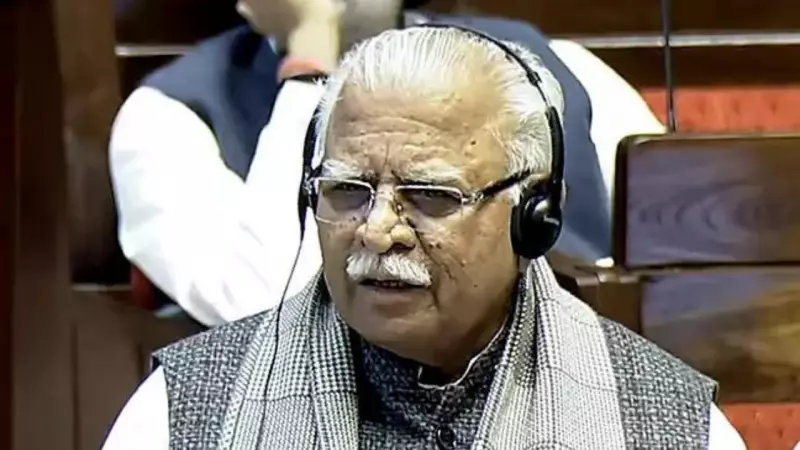
Union Power Minister Manohar Lal Khattar has provided crucial assurances regarding the proposed changes to India's electricity laws, stating that they will not lead to an increase in power tariffs for common consumers. The minister emphasized that eligible beneficiaries, including domestic and agricultural users, will continue to receive subsidies from their respective state governments.
Key Provisions of the Draft Electricity Bill
Chairing a meeting of the parliamentary consultative committee earlier this week, Khattar detailed the intent behind the draft Electricity (Amendment) Bill, 2025. The government shared the details of this meeting on Saturday. The minister explained that the proposed legislation primarily mandates "cost-reflective" tariffs and empowers regulatory commissions to act on their own initiative (suo motu) when power distribution companies (discoms) delay their tariff filings.
"...the state governments may continue to provide subsidies to priority consumer groups such as domestic and agricultural consumers, and there may not be any increase in cost for such consumers. This ensures that financial discipline and consumer welfare go hand in hand," Khattar stated. This clarification comes amid protests by farmers demanding the withdrawal of the Bill.

Focus on Industry Growth and Clean Energy
The government's official statement outlined that the Bill seeks to reduce market distortions caused by cross-subsidies and surcharges. A core objective is to support Indian industry, particularly Micro, Small, and Medium Enterprises (MSMEs), by making electricity costs more reasonable, thereby aiding expansion, employment generation, and global competitiveness.
In a significant move, the Bill proposes to empower State Electricity Regulatory Commissions (SERCs) to exempt power discoms from the obligation to supply electricity to large consumers. "These consumers can procure power at competitive rates from other sources," Khattar noted, promoting a more open and efficient market.
The minister also underscored the push for cleaner energy, revealing that the Bill proposes a minimum obligation for the use of electricity from non-fossil sources. Capacity addition will be facilitated through market mechanisms alongside discom agreements to ensure the availability of adequate and cost-competitive renewable energy.
Operational Reforms and Future Steps
The draft legislation includes several operational reforms. It proposes to expand the strength of the Appellate Tribunal for Electricity to manage its growing caseload. Other measures involve incorporating right-of-way provisions directly into the Act and enabling the sharing of distribution networks to prevent costly duplication of infrastructure.
Furthermore, the Bill envisages establishing an Electricity Council to foster cooperative federalism and build a national consensus on power sector reforms. On the contentious issue of land use, Khattar assured that the central government will take necessary steps to ensure reasonable compensation for farmers whose land is used for laying electric lines, with the power ministry having already issued guidelines linking compensation to market rates.
The consultative process on the draft Bill's provisions is currently ongoing. The new legislation is expected to be tabled in Parliament during the Budget session next year. Lawmakers from various political parties in both Houses participated in the recent consultative meeting, indicating broad parliamentary engagement on this critical reform.