Pothole Menace Claims 260 Lives in Jharkhand, National Toll Reaches 9,438
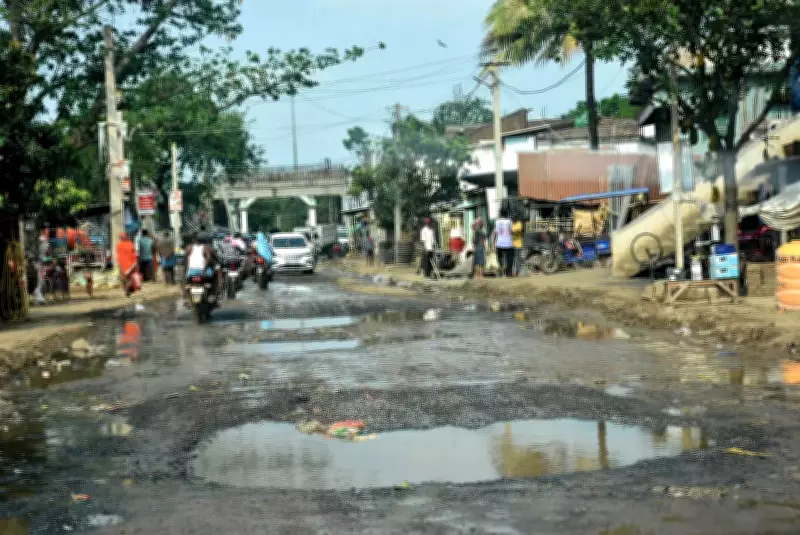
For 42-year-old Raghav Kumar, a marketing executive from Ranchi, what began as a routine workday last Friday turned into a nightmare. While commuting to his office, he encountered an unexpected and dangerous obstacle—a large pothole near Chiroundi Chowk, created overnight due to pipeline repair work. The crater caused him to lose control of his bike, resulting in a grievous fall and a leg fracture. Kumar is currently recuperating, but his story highlights a widespread and deadly issue plaguing roads across Jharkhand and India.
Alarming Statistics from Lok Sabha Report
According to a recent reply by the Ministry of Road Transport and Highways (MoRTH) in the Lok Sabha, pothole-related accidents have led to devastating consequences. Between 2020 and 2024, Jharkhand witnessed 384 accidents due to potholes, resulting in 260 fatalities and 266 injuries, of which 203 were grievous. Nationally, the numbers are even more staggering: 23,056 accidents caused 9,438 deaths and 19,956 injuries, with 9,670 being grievous. These figures were disclosed in response to a question by Lok Sabha MP Raja Ram Singh, underscoring the severity of the crisis.
Unreported Cases and Civic Negligence
Rishab Anand, founder of Rise Up, an organization dedicated to road safety in Jharkhand, emphasized that the actual number of pothole accidents is likely higher. "Many cases often go unreported, especially in Jharkhand, due to various reasons," he said. "Pothole-related deaths or injuries are mostly man-made, stemming from civic mismanagement and negligence in road engineering and maintenance." In Ranchi alone, craters, potholes, and broken roads are a major concern, frequently causing accidents and vehicle damage, not to mention the mental trauma endured by victims and their families.

Root Causes and Proposed Solutions
A professor from a state-run university, who wished to remain anonymous, pointed to poor interdepartmental coordination as a key factor. "Roads in the city are continuously dug up by various departments—for pipeline repairs, telecom line installations, and more—often without the local civic body's knowledge," he explained. This lack of oversight contributes to the deteriorating road conditions that endanger lives.
Anand agreed, advocating for stricter accountability to minimize accidents. "In cases of death or injury due to bad road engineering or potholes, we rarely see action taken against government officials or concerned agencies," he noted. "If officials were held accountable for poor roads in any locality, improvements would happen immediately." He stressed that public awareness and demand for action are crucial in driving change.
The data and expert insights reveal a pressing need for enhanced road maintenance and civic responsibility to prevent further loss of life on India's roads.