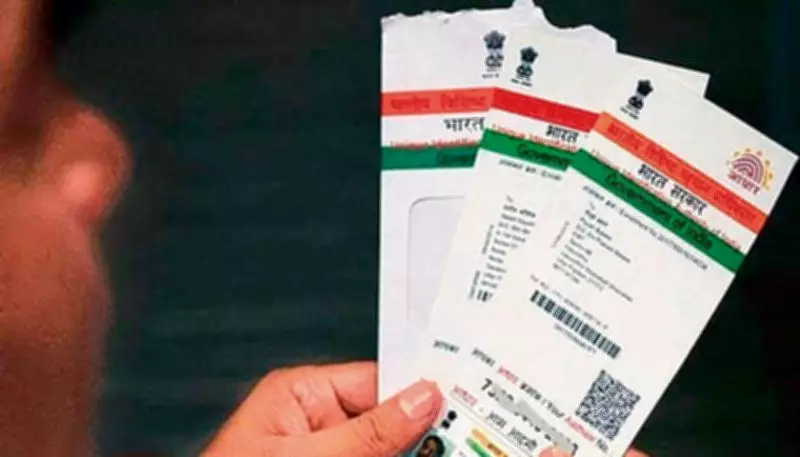
The government has clarified that there is no plan to replace the details on Aadhaar cards with QR codes, putting an end to recent speculation. The clarification comes after reports suggested that the Unique Identification Authority of India (UIDAI) was considering a move to replace the visible Aadhaar number with a QR code to enhance security and privacy.
Government's Official Statement
In an official statement, the government said that it has no such proposal under consideration. “There is no move to replace the Aadhaar details with a QR code. The reports circulating in some sections of the media are completely baseless and without any factual basis,” the statement read.
The clarification aims to allay fears among Aadhaar holders who might have been concerned about the potential change. Aadhaar, a 12-digit unique identity number issued by UIDAI, is used for various purposes including identity verification and accessing government services.

Background of the Speculation
Speculation arose after some media reports claimed that UIDAI was planning to introduce a QR code-based system to mask the Aadhaar number on the card. The idea was supposedly to prevent misuse of the number and protect the privacy of individuals. However, the government has now dismissed these claims.
UIDAI has been proactive in enhancing the security features of Aadhaar. In the past, it has introduced measures such as masked Aadhaar, where only the last four digits are visible, and virtual ID, which allows users to generate a temporary 16-digit number for authentication. These features were designed to give users more control over their data.
Current Features of Aadhaar
Currently, Aadhaar cards display the cardholder's name, photograph, date of birth, gender, and the 12-digit Aadhaar number. The card also includes a QR code that contains the same information in an encrypted format. This QR code can be scanned by authorized agencies for verification purposes.
The government has emphasized that the existing system is secure and there is no need for any immediate changes. “Aadhaar remains a robust and secure identity document. The government is committed to ensuring the privacy and security of all Aadhaar holders,” the statement added.
Reactions and Implications
The clarification has been welcomed by privacy advocates and Aadhaar users who were concerned about the potential change. Many had expressed apprehensions that replacing the visible number with a QR code could lead to confusion and inconvenience.
Experts point out that the current system already provides adequate security. The QR code on Aadhaar cards is encrypted and can only be read by authorized devices. Additionally, the use of masked Aadhaar and virtual ID offers users options to share limited information.
The government’s clear stance puts an end to the rumors and reassures the public that the Aadhaar system will continue as is. It also underscores the importance of relying on official sources for information regarding such critical identification documents.