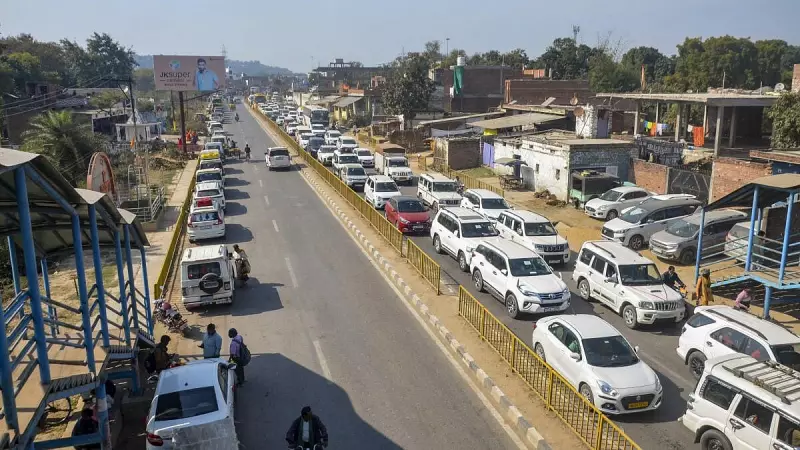
In a significant move aimed at bolstering road safety, the National Highways Authority of India (NHAI) has formally approached the Telecom Regulatory Authority of India (TRAI). The core request is to urgently enhance the quality and reliability of mobile network connectivity across the vast expanse of India's national highways.
The Core Request: Better Connectivity for Emergencies
The initiative stems from a critical need to ensure that highway users, including drivers and passengers, have uninterrupted access to communication networks in case of emergencies, breakdowns, or accidents. Poor or patchy network coverage on remote stretches of highways has long been a concern, often delaying urgent assistance.
The NHAI's appeal to TRAI was reported on January 6, 2026. This date marks a pivotal step in integrating infrastructure and communication technologies for public welfare.

Proactive SMS Alerts at Accident-Prone Zones
Beyond general connectivity improvement, the NHAI proposal includes a targeted technological intervention. The highways authority has specifically requested TRAI to direct telecom service providers to disseminate proactive SMS or flash SMS alerts.
These alerts are intended for geo-mapped accident-prone locations on national highways. When a vehicle enters such a high-risk zone, the system would automatically push a brief safety message to the mobile phones of occupants, warning them to exercise extra caution.
This measure could serve as a real-time, location-based nudge to drivers, potentially reducing speed and increasing alertness where it is most needed.
Implications and Expected Outcomes
If implemented, this collaboration between the road infrastructure and telecom regulators could transform highway safety dynamics. Reliable mobile networks ensure that distress calls reach authorities faster, enabling quicker medical and police response. The proactive SMS system adds a layer of preventive safety, directly communicating with road users at critical points.
The move underscores a growing recognition that physical infrastructure and digital connectivity must evolve in tandem to create smarter and safer transportation corridors. The success of this initiative hinges on effective coordination between NHAI, TRAI, and the various telecom operators to map black spots and upgrade network infrastructure along highways.
This development, reported by journalist Ajith Athrady, is being watched closely as a model for leveraging technology for public safety on some of the country's busiest and most critical road networks.