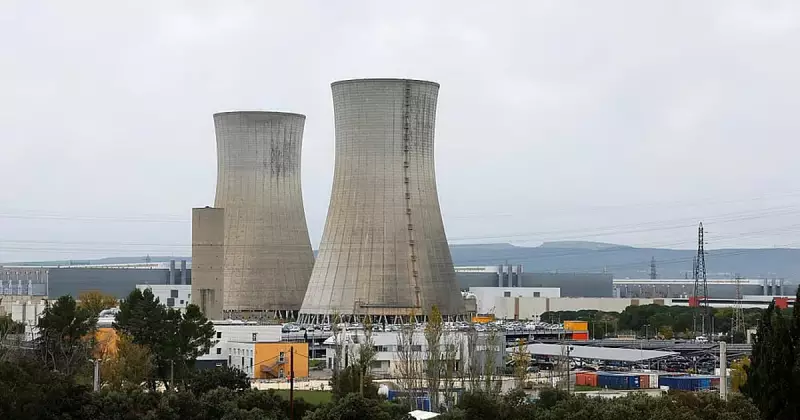
In a significant policy shift, the Indian government has passed new legislation that fundamentally changes the landscape of the country's atomic energy sector. The SHANTI Bill, passed on 19 December 2025, opens the doors to private investment in nuclear power while introducing crucial changes to liability frameworks for suppliers in the event of a disaster.
What the SHANTI Bill Changes
The core of the new statute revolves around two major reforms. Firstly, it formally allows private companies to invest in and operate nuclear power projects in India. This move marks a departure from the long-standing state monopoly held by the Nuclear Power Corporation of India Limited (NPCIL). The government aims to accelerate the expansion of nuclear energy capacity to meet the nation's growing power demands and clean energy commitments.
Secondly, and more controversially, the law softens the liability burden on equipment suppliers. Under the new provisions, suppliers of nuclear reactors and components will be largely spared from direct financial liability in case of a nuclear accident. The primary responsibility will rest with the plant operator. This change is seen as a critical step to attract major international nuclear technology vendors, who have been hesitant to enter the Indian market due to the stringent liability clauses under the previous Civil Liability for Nuclear Damage Act of 2010.

Implications for India's Energy Future
This legislative overhaul is expected to have far-reaching consequences. By inviting private investment in nuclear energy, the government hopes to unlock massive capital and technical expertise needed for rapid capacity addition. Proponents argue that this is essential for India to achieve its goals for low-carbon, baseload power generation.
However, the decision to limit supplier liability has sparked debate. Critics and civil society groups express concern that diluting safeguards could compromise safety standards and leave victims inadequately compensated in a worst-case scenario. They argue that the principle of "absolute liability" for all players in the nuclear chain is vital for public safety.
The Road Ahead for Nuclear Power
The passage of the SHANTI Bill, reported by Kalyan Ray, represents a calculated risk by policymakers. The government is betting that the promise of a large, open market will outweigh the concerns of foreign suppliers regarding liability. The success of this strategy will depend on several factors:
- The ability to attract reputable global nuclear firms.
- Maintaining and enhancing regulatory oversight as the sector expands.
- Addressing public concerns over safety and liability.
This move positions India's nuclear energy sector at a pivotal juncture, potentially setting the stage for a new era of growth powered by private capital, albeit under a revised framework of risk and responsibility.