FM Sitharaman Unveils New Income Tax Act 2025: Simplicity and Public Engagement at Core
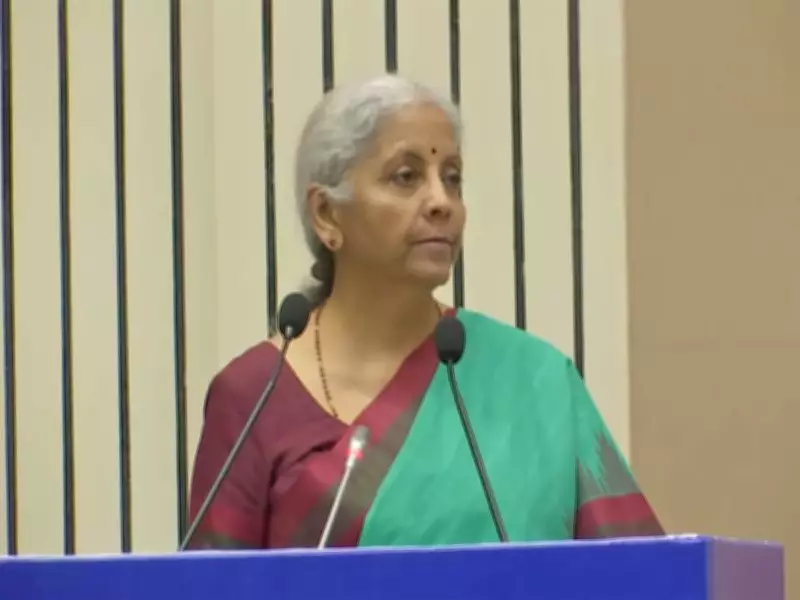
Union Finance Minister Nirmala Sitharaman has declared that the government is advancing beyond mere legislative simplification to actively involve citizens in the tax process. Speaking at the National Awareness Campaign on Income Tax in Delhi, she highlighted a transformative approach to governance tailored to modern demands.
From Complexity to Clarity: Overhauling the Tax Maze
The Income Tax Act 2025 is set to replace the 1961 Act, which Sitharaman described as a convoluted "maze" due to over 4,000 amendments. Originally straightforward, the old law ballooned to a staggering 5.12 lakh words across 819 sections, creating confusion and legal disputes.
Effective from April 1, 2026, the new framework drastically reduces the word count to 2.6 lakh and sections to 536. Sitharaman emphasized that this leaner structure aims to minimize ambiguity, thereby reducing court interpretations and fostering voluntary compliance among taxpayers.

Stakeholder Collaboration and Swift Drafting
The drafting process involved an intensive effort, with tax officials dedicating 75,000 person-hours in a record six months. A select committee of 31 parliamentarians conducted extensive consultations, accepting 184 out of 196 recommendations into the final Act. This collaborative effort underscores the government's commitment to inclusive lawmaking.
Key Benefits for Taxpayers and Sectors
The new Act introduces several targeted provisions:
- Salaried Individuals: Elimination of the confusing distinction between the previous year and assessment year.
- Small Businesses: A strengthened presumptive taxation scheme for turnovers up to Rs 10 crore, exempting detailed audits if cash receipts are below 5 per cent.
- Housing Loans: Clear rules on pre-construction interest to prevent disputes.
Sitharaman praised small business owners as the "engine of our economy," highlighting their crucial role in national development.
Cultural Shift in Tax Administration
Addressing the Income Tax Department, Sitharaman urged a fundamental change in public interactions. She stressed that taxpayers are partners in nation-building, not adversaries, and called for administration with empathy, fairness, and efficiency.
The Minister advocated for leveraging technology to minimize human interface, building trust and encouraging taxpayers to engage without fear. She expressed hope for a future where citizens feel comfortable approaching tax officers openly.
Educational Outreach and Modern Governance
In a notable shift, the department is now reaching out to schools and colleges to educate students on the importance of taxes. This move aims to transform the perception of tax authorities from being rigorous and inward-looking to proactive and engaging.
Sitharaman concluded by emphasizing that the new law represents a significant step towards a transparent, collaborative, and efficient tax system, aligning with evolving governance standards.