Nashik Authorities Propose Innovative Water Solution for Kumbh Mela
The Water Resources Department in Nashik has put forward a creative proposal to address water concerns for the upcoming Kumbh Mela. With the Amrut Snan scheduled from July to September 2027, authorities face the challenge of providing clean and sufficient bathing water at ghats in Nashik city and Trimbakeshwar.
Inflatable Weir Plan for Nandini Ghat
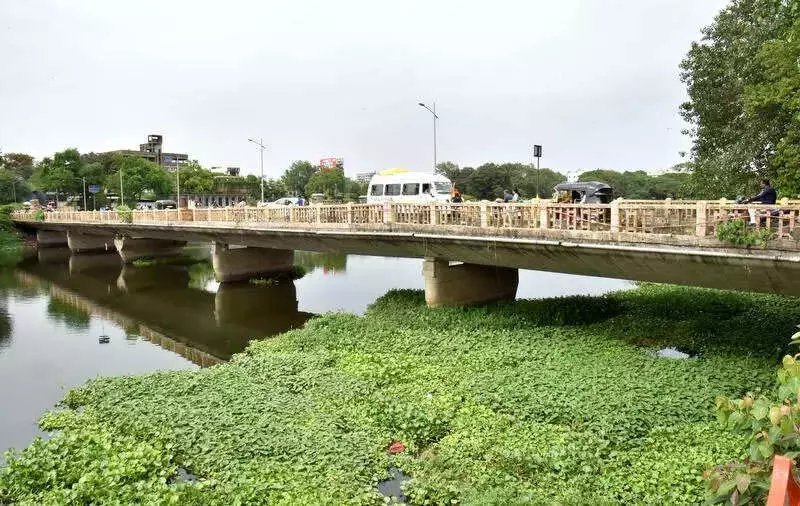
A senior WRD official explained their solution. "We have proposed an inflatable balloon weir at Nandini Ghat, downstream of Nashik city," the official stated. "This structure will maintain desired water levels at upstream ghats like Ramkund during the Amrut Snan."
The official emphasized several advantages of this approach:

- No construction required in the middle of the riverbed
- Natural river flow remains unobstructed
- The weir can be deflated when not needed
This proposal comes amid a high court order that prohibits releasing water from dams specifically for bathing purposes.
Trimbakeshwar's Water Lift System
Authorities are implementing a different solution for Trimbakeshwar. The Nashik Trimbakeshwar Kumbh Mela Authority is constructing a weir just before the Beze Dam on the Godavari River.
"We will lift water from this point, treat it, and transfer it to Ahilya Dam upstream," the officer described. "This system allows us to circulate water multiple times during the Amrut Snan period."
The Kumbh Mela in Nashik will take place between 2026 and 2028, with the crucial Amrut Snan occurring during the 2027 monsoon season. While rainfall typically ensures adequate water, officials recognize the need for backup arrangements in case of poor monsoon conditions.
Environmental Concerns and Criticism
Environmentalist Rajesh Pandit has voiced strong objections to these water management plans. "These are artificial, contractor-driven measures funded by the state exchequer," Pandit claimed.
Pandit, who filed a PIL regarding Godavari river pollution in the Bombay High Court, advocates for different solutions:
- Rejuvenate existing water ponds and ecosystems
- Focus on groundwater recharge
- Ensure perennial river flow through sustainable measures
"Instead of implementing long-term, ecologically sustainable solutions, the bureaucracy keeps choosing contractor-driven approaches," Pandit argued. "These temporary fixes will likely fail eventually, wasting public funds."
The Bombay High Court has already directed concerned authorities to take appropriate measures regarding Godavari river pollution, adding legal pressure to find effective solutions.
As Nashik prepares for the massive Kumbh Mela gathering, the balance between immediate practical needs and long-term environmental sustainability remains a central challenge for water management authorities.