In a step towards fostering inclusive participation and practical life skills, young adults at the Amrit Somani Memorial Centre (ASMC)—a nonprofit intervention centre for individuals with neurodevelopmental disorders—recently took part in a mock voting exercise designed to familiarise them with the electoral process.
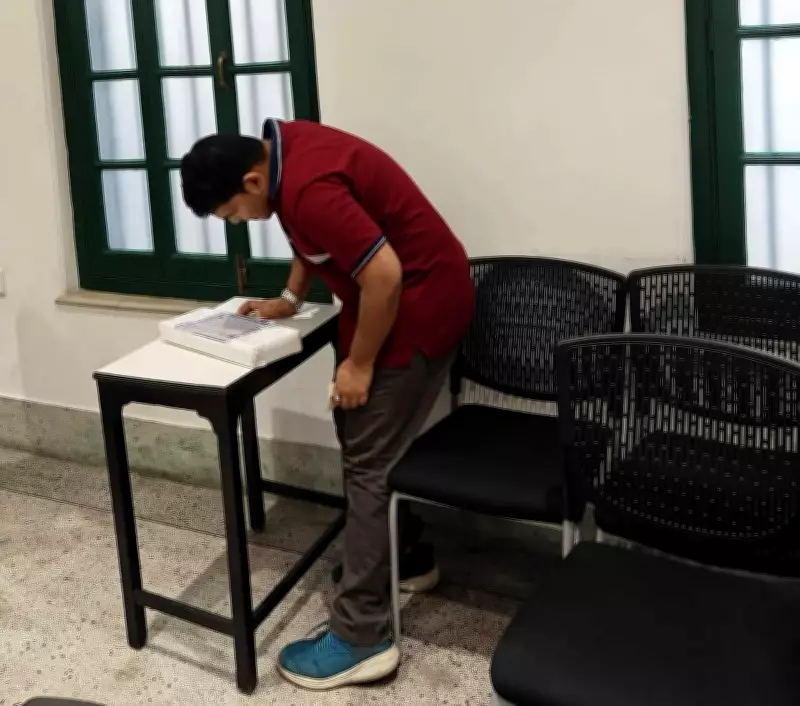
The initiative focused on building confidence and preparing participants to navigate real-world civic environments through structured, simulation-based learning—an approach especially effective for individuals on the autism spectrum. To bring the experience closer to reality, ASMC recreated a polling station within its premises. The setup featured elements such as a dummy ballot box and replica identification cards, while therapists stepped into roles like Booth Level Officers, Election Commission representatives, and police personnel.
This immersive environment allowed participants to understand each stage of voting—from recognising party symbols to following the sequence of casting a vote—within a safe and predictable setting. Repetition and guided practice helped reduce anxiety while strengthening familiarity with the process. Therapists played a key role in executing the programme, blending step-by-step training with conversations around the importance of voting as a civic duty. Their involvement across roles also made the simulation feel more authentic and approachable for participants.

Sharing his experience, a 22-year-old ASMC student and first-time voter said he now feels prepared and excited to cast his vote, adding that understanding the process has replaced fear with confidence. Speaking about the initiative, Namita Somani, Founder and Trustee of ASMC, highlighted that the exercise is an extension of the centre’s everyday focus on life skills. She emphasised that teaching real-world processes like voting helps individuals adapt to new environments and situations—something central to their therapeutic approach.
Through such initiatives, ASMC continues to highlight the impact of structured, community-driven efforts in making civic participation more accessible and inclusive. The mock voting exercise not only empowered participants but also demonstrated how tailored interventions can bridge gaps in civic engagement for individuals with special needs. By creating a supportive environment, the centre ensures that every individual has the opportunity to exercise their rights and responsibilities as citizens.