The Municipal Corporation of Gurgaon (MCG) is facing intense scrutiny and directives for urgent action following a critical review by the Haryana Urban Local Bodies (ULB) Department. The department highlighted significant gaps in the city's wastewater treatment and sewerage network, demanding immediate corrective measures.
ULB Directives and Critical Concerns
During a recent review meeting, ULB officials raised serious alarms about the state of Gurgaon's sewage management. The MCG was explicitly instructed to urgently evaluate its existing wastewater treatment capacity and pinpoint deficiencies in its Sewage Treatment Plants (STPs) and sewerage lines. The civic body has been given a clear mandate: either initiate immediate fixes or formally report the shortcomings to the Gurugram Metropolitan Development Authority (GMDA).
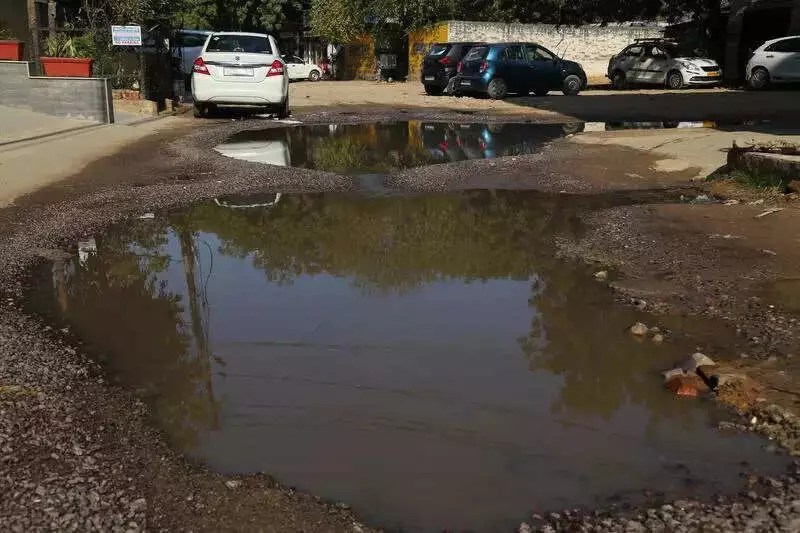
A long-standing and damaging practice was also brought to the forefront. Officials flagged the illegal interlinking of sewerage lines with stormwater drains, which causes severe pollution of drains and water bodies, especially during monsoons. MCG, along with municipal corporations in Faridabad, Manesar, Panipat, Sonipat, and Karnal, was reminded that sewage must strictly flow through designated sewer lines.

Strict Orders to Prevent Pollution
The ULB department issued firm instructions that no sewerage line should be connected to the stormwater drainage system within municipal limits. Any such illegal connections discovered must be rectified at once to stop sewage from entering stormwater drains. Furthermore, all municipal corporations were told to ensure that no untreated wastewater is released into any drain, water body, or river.
The issue has gained heightened importance as the discharge of untreated sewage is now under regular review by the Union Home Minister. "We are currently conducting an assessment to identify any such interlinkages, along with evaluating our wastewater treatment capacity, and will submit a report based on the findings," stated a senior MCG official.
Gurgaon's Ongoing Sewage Challenges
This is not the first time such problems have surfaced in the city. Previously, GMDA had flagged illegal sewage discharge from Sector 42 into Creek 1, a natural rainwater channel. The MCG later claimed to have resolved that specific issue.
Currently, MCG operates and maintains 41 micro STPs, each with a capacity ranging between 25 and 50 KLD (Kilolitres per Day). However, the system's reliability is in question. Last year, multiple complaints were received about several of these plants being non-operational or functioning below optimal levels.
Industrial units in Gurgaon run their own STPs, with the treated water being reused for horticulture and other non-potable purposes. The condition of the civic infrastructure, however, remains a persistent concern. In April last year, Industries and Commerce Minister Rao Narbir Singh sought a status report on MCG's 41 micro STPs and directed the pollution control board to inspect all sewage treatment plants in the area.
The latest directives from the ULB department underscore the pressing need for MCG to overhaul its sewage management infrastructure, ensure compliance, and prevent environmental degradation in one of Haryana's most prominent urban centers.