

Maharashtra Minister Calls for Urgent Water Planning Amid Looming Crisis
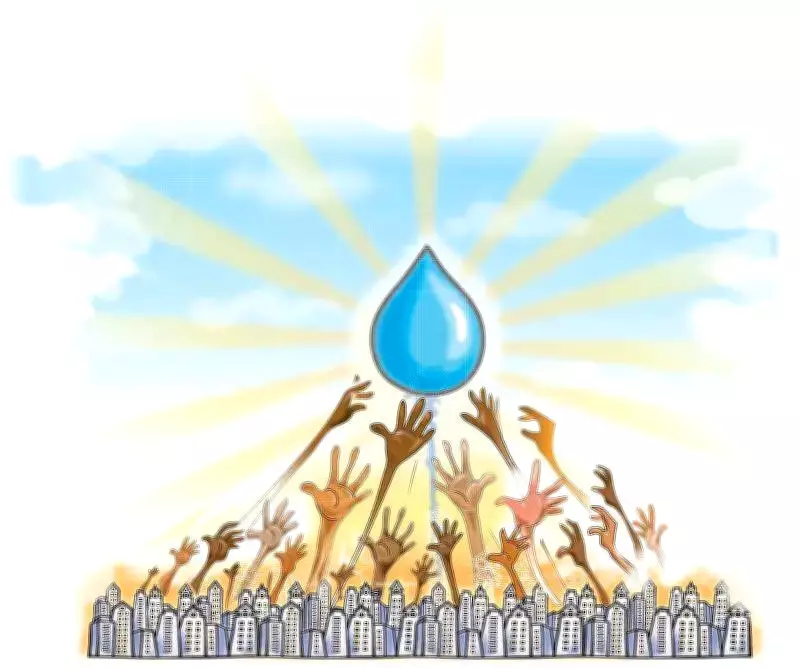
In a decisive move to combat escalating water stress, Maharashtra Revenue Minister Chandrashekhar Bawankule has issued a stern directive to municipal councils across the state. Speaking at a district-level review meeting in Nagpur on Thursday, the guardian minister emphasized the critical need for long-term water supply planning, warning that current systems are woefully inadequate to meet future demands.
Five-Point Development Framework with Water at Its Core
Bawankule outlined a comprehensive five-point development framework specifically designed for newly elected municipal heads, placing water supply and augmentation as the top priority. This initiative comes against a backdrop of growing concerns over declining rainfall patterns, climate variability, and plummeting groundwater levels, particularly in the Vidarbha region. The minister identified these trends as the "root causes of future water crises" and called for immediate corrective actions.
Protection of Water Bodies and Infrastructure Upgrades
The minister stressed the importance of protecting and cleaning local water bodies, including rivers and streams, as part of the solution. He highlighted that many civic bodies lack the technical and engineering expertise required to execute large-scale water projects, leading to significant inefficiencies. "The reality is that despite completing several schemes, adequate water supply has not been achieved," Bawankule noted, advocating for the transfer of such projects to the Maharashtra Jeevan Pradhikaran to ensure better execution and accountability.

Addressing Leakages and Future-Proofing Water Supply
To combat wastage, Bawankule urged municipal authorities to plug leakages and install taps in areas where they are absent, while also strengthening existing supply networks in water-scarce regions. Municipal councils facing acute shortages have been instructed to submit water reservation proposals within a strict 10-day deadline. Furthermore, the Kamptee MLA emphasized the necessity of forward-looking planning, insisting that all urban water blueprints must account for population growth over the next 25 years. "If planning reflects future realities, efficient and disciplined use of available water will follow," he asserted.
Broader Civic Priorities Beyond Water
In addition to water management, Bawankule directed civic bodies to establish clear priorities on other essential needs, including sanitation, education, healthcare, solid waste management, and the implementation of solar-powered street lighting. This holistic approach aims to ensure comprehensive urban development while addressing the pressing water crisis.






