In a significant move for India's workforce, the government has initiated the implementation of four landmark Labour Codes, with full operationalisation targeted for the year 2026. This development follows a prolonged five-year wait and promises to bring about a modernised framework for labour laws in the country.
A Transformative Reform for Workers
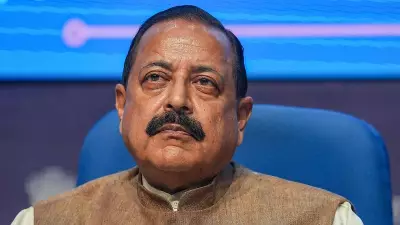
Union Labour & Employment Minister Mansukh Mandaviya highlighted that the year 2025 has been transformative for India's labour ecosystem. The cornerstone of this transformation was the coming into effect of the four Labour Codes on November 21, 2025. These codes consolidate and modernise 29 existing labour laws into a simplified, contemporary structure.
Mandaviya emphasised that the focus for 2026 will be on deepening these reforms through technology-driven implementation and the publication of rules under the codes. These rules are crucial as they will translate the legislative framework into actionable outcomes, providing greater clarity and predictability for both employees and employers.

The minister noted that these codes represent the most comprehensive overhaul in India's labour history, aimed at ensuring worker welfare, promoting formal employment, and boosting job creation. Complementing this, the Pradhan Mantri Viksit Bharat Rozgar Yojana, with an outlay of nearly ₹1 lakh crore, is designed to incentivise the creation of 3.5 crore jobs over the next two years.
EPFO 3.0 and Digital Infrastructure
A key technological upgrade planned for 2026 is EPFO 3.0. This new version of the Employees' Provident Fund Organisation system aims to ensure speedy withdrawal of provident funds, fixation of pension under the Employees' Pension Scheme 1995, and processing of insurance claims under the Employees' Deposit Linked Insurance Scheme 1976.
Significant improvements have already been made in EPFO's functioning, simplifying withdrawal processes for millions of members. Furthermore, India's digital public infrastructure for labour, including the e-Shram portal and the National Career Service platform, has achieved unprecedented scale. These initiatives have expanded social protection coverage from 19% a decade ago to over 64% today, a milestone recognised internationally.
Industry Support and Union Opposition
The reforms have garnered support from industry bodies. Arvind Goel, Co-Chair of CII's National Committee on Industrial Relations & Labour, called 2025 a "watershed moment". He stated that by rationalising 29 legacy laws, the codes modernise regulation, strengthen workforce well-being, and advance ease of doing business simultaneously.
However, the move faces strong opposition from central trade unions. A Joint Platform of Central Trade Unions (CTUs) and sectoral federations, in a meeting on December 22, 2025, resolved to call a general strike on February 12, 2026. They have termed the codes anti-worker and demand their rollback, accusing the government of unilateral imposition.
The unions, in a statement issued on December 23, 2025, warned that if the government proceeds with notifying the rules, they will be compelled to take stronger actions, including a potential multi-day general strike. The strike date is set to be formally ratified at a National Workers' Convention on January 9, 2026, in New Delhi.
As India strides towards operationalising these codes by 2026, the stage is set for a pivotal shift in its labour market, balancing the government's vision of a modern, inclusive workforce with the concerns raised by worker representatives.