The Karnataka State Wildlife Board has granted approval for detailed project report (DPR) studies on the proposed Mekedatu balancing reservoir across the Cauvery River. The decision was announced on 1 July 2026, following a board meeting chaired by the state's Chief Minister.
Project Components and Capacity
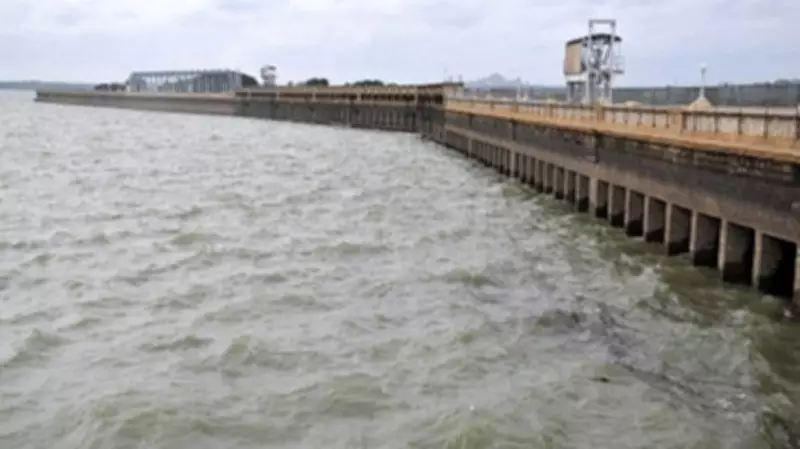
According to the proposal submitted by the chief engineer of the Cauvery Neeravari Nigam Limited (CNNL), the Mekedatu project entails the construction of a balancing reservoir with a storage capacity of 67.16 thousand million cubic feet (tmcft) of water. The project also includes a bridge, an underground powerhouse designed to generate 400 megawatts (MW) of electricity, and a jackwell-cum-pump house capable of lifting 4.75 tmcft of water annually for drinking water supply to Bengaluru city.
Environmental and Wildlife Considerations
The wildlife board's approval is a critical step in the project's clearance process, as the reservoir site falls within the Cauvery Wildlife Sanctuary. The board has stipulated that the DPR studies must include a comprehensive environmental impact assessment and a wildlife conservation plan to mitigate potential ecological disruptions. The project is expected to address the growing water demands of Bengaluru, which faces periodic shortages.

Next Steps and Timeline
With the wildlife board's nod, CNNL will now proceed with the DPR preparation, which is expected to take approximately 18 months. The DPR will then be submitted to the central government for final clearance under the Forest Conservation Act and other relevant statutes. The project has been a subject of contention between Karnataka and Tamil Nadu, with the latter opposing any new structures on the Cauvery. However, Karnataka maintains that the Mekedatu reservoir will not affect downstream flows as it is a balancing reservoir utilizing surplus water during monsoons.
The approval marks a significant milestone for the project, which has been in the planning stages for over a decade. The state government hopes that the project will not only alleviate Bengaluru's water crisis but also generate clean electricity and boost the region's economic development.