In a groundbreaking move, Karnataka has announced a radical reform of its excise system by linking taxation directly to the alcohol strength of beverages. This policy shift, detailed by expert K P Krishnan in a recent opinion piece, aims to address the significant social costs associated with spirit consumption.
How the New System Works
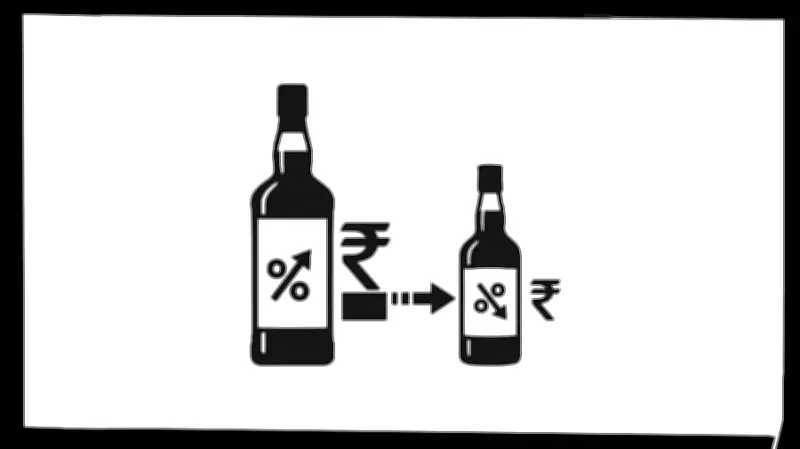
Under the reformed structure, taxes on alcoholic beverages will be calculated based on their alcohol by volume (ABV) percentage. Higher-strength spirits will attract higher excise duties, while lower-alcohol options such as beer and wine will see comparatively lower taxes. This progressive approach is designed to incentivize the consumption of milder beverages and discourage the intake of high-proof spirits, which are often linked to greater health and social harms.
Social Cost of Alcohol Consumption
K P Krishnan emphasizes that the social cost of alcohol—including healthcare expenses, lost productivity, and law enforcement burdens—is disproportionately driven by high-alcohol-content drinks. By aligning taxation with alcohol strength, the government hopes to internalize these externalities and reduce overall harm. This reform is a significant step towards evidence-based policymaking, where tax structures reflect the real-world impact of products.

Reactions and Implications
The move has sparked debate among stakeholders. Public health advocates have praised the initiative, calling it a progressive and rational approach. However, the liquor industry has expressed concerns about potential revenue losses and compliance challenges. The Karnataka government assures that the reform will be implemented gradually, with proper consultation to ensure a smooth transition.
This reform positions Karnataka as a pioneer in excise policy in India. Other states may look to this model as a template for reforming their own alcohol taxation systems. The ultimate goal is to create a healthier society while maintaining fiscal responsibility.